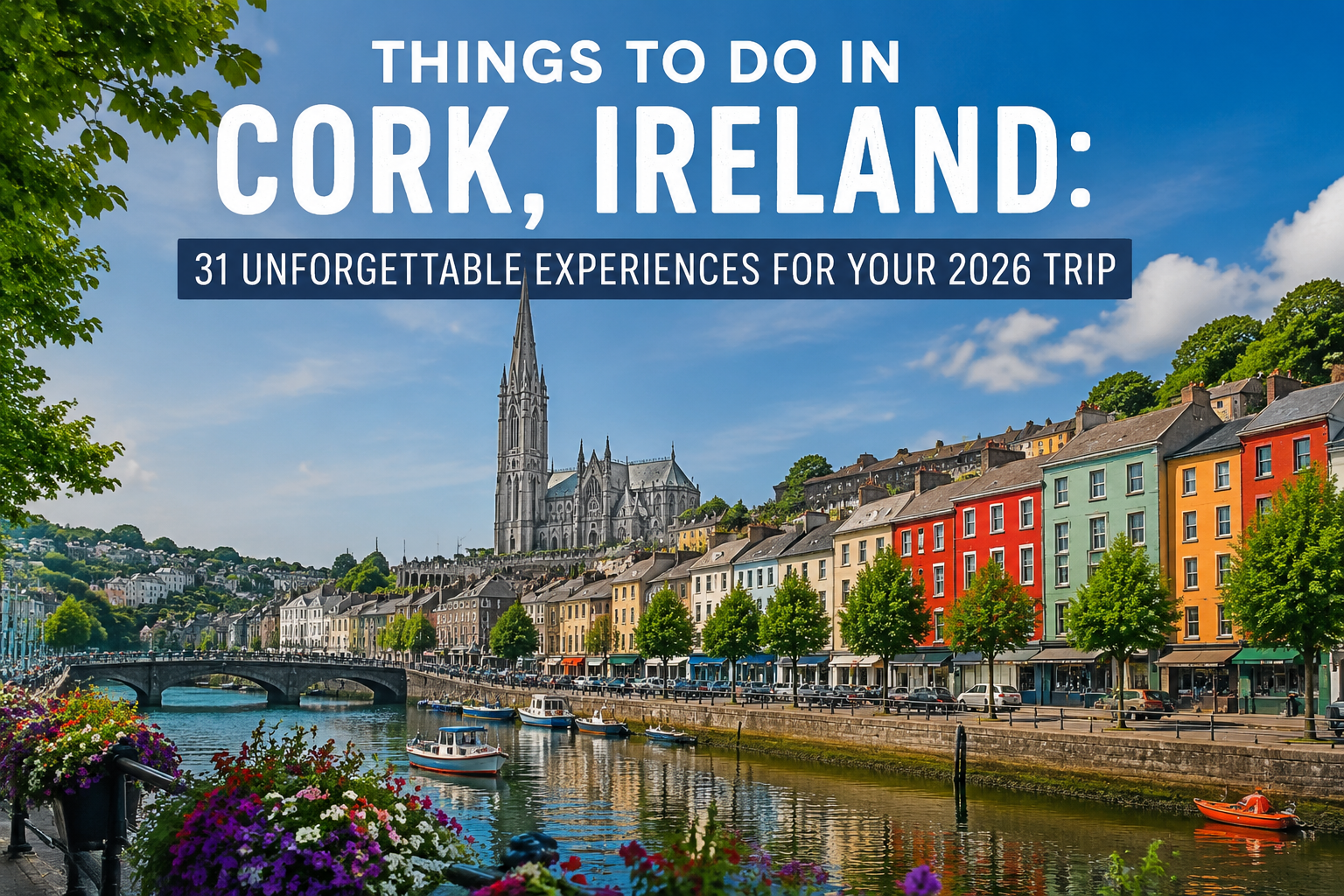
Cork is the kind of Irish city that rewards curious travelers. Set around the River Lee, this lively southern city blends colorful streets, historic buildings, excellent food, independent shops, traditional pubs, and easy access to some of Ireland’s most beautiful coastal scenery. If you’re searching for the best things to do in Cork Ireland, you’ll find plenty of experiences that go far beyond simply ticking attractions off a list.
From exploring the famous English Market and climbing the hill to Elizabeth Fort to visiting the historic grounds of Blarney Castle, Cork offers something for almost every traveler. You can spend the morning wandering through the city center, enjoy fresh local food for lunch, and then escape to the coast or countryside before sunset.
Whether you’re planning a weekend city break, a longer Ireland road trip, a romantic getaway, or a family holiday, this guide covers the most memorable things to do in Cork Ireland—including top attractions, hidden corners, food experiences, day trips, practical travel tips, and a suggested itinerary for making the most of your visit.
Why Visit Cork, Ireland?
Cork has a personality all its own. Locals often call it Ireland’s “rebel county,” and the city feels confident, creative, and proudly independent.
The center is compact enough to explore on foot, but there is much more to discover beyond the main streets. Historic forts, colorful neighborhoods, food markets, art galleries, castles, harbors, islands, and scenic coastal towns are all within easy reach.
Cork is also a fantastic base for exploring County Cork. You can combine city sightseeing with trips to Blarney, Cobh, Kinsale, Fota, and the dramatic coastline without constantly changing hotels.
For food lovers, Cork is especially appealing. The region has a strong farm-to-table culture, and the city offers everything from traditional Irish dishes to modern restaurants, artisan bakeries, fresh seafood, and lively cafés.
Best Things to Do in Cork Ireland
Here are the experiences worth adding to your Cork itinerary.
Explore Cork City Centre
Start your trip by simply walking through central Cork.
The city grew around the River Lee, and its waterways give the center a distinctive character. Wander through pedestrian streets, cross the bridges, browse independent stores, and watch everyday life unfold around you.
Grand Parade is a natural starting point. From there, you can easily reach nearby attractions, cafés, galleries, and historic landmarks.
One of the best ways to experience Cork is to leave your map behind for an hour. Take a wrong turn. Follow a narrow lane. Stop when you hear traditional music coming from a pub.
Cork is a city that often reveals its charm in the spaces between the major attractions.
Visit the English Market
If you only have time for a few attractions, put the English Market near the top of your list.
This historic covered food market is one of Cork’s most famous landmarks and a wonderful place to experience the city’s food culture. Inside, you’ll find fresh meat, seafood, cheese, bread, pastries, produce, and prepared foods.
Take your time browsing the stalls rather than rushing through.
It’s also an excellent place to pick up something for a picnic or sample local flavors before heading out on a day trip.
Travel tip: Visit earlier in the day if you want a more relaxed experience. The market can become busy around lunchtime.
Climb Elizabeth Fort
For one of the best views over Cork, head to Elizabeth Fort.
The star-shaped fort sits on elevated ground near the city center. Walking along its walls gives you a different perspective of Cork’s rooftops, church towers, and surrounding hills.
The fort also provides an interesting glimpse into the city’s military history.
The real highlight, however, is the view. On a clear day, it’s an excellent spot for photography.
Bring your camera, especially in the morning or late afternoon when the changing light can make the city look particularly atmospheric.
See Saint Fin Barre’s Cathedral
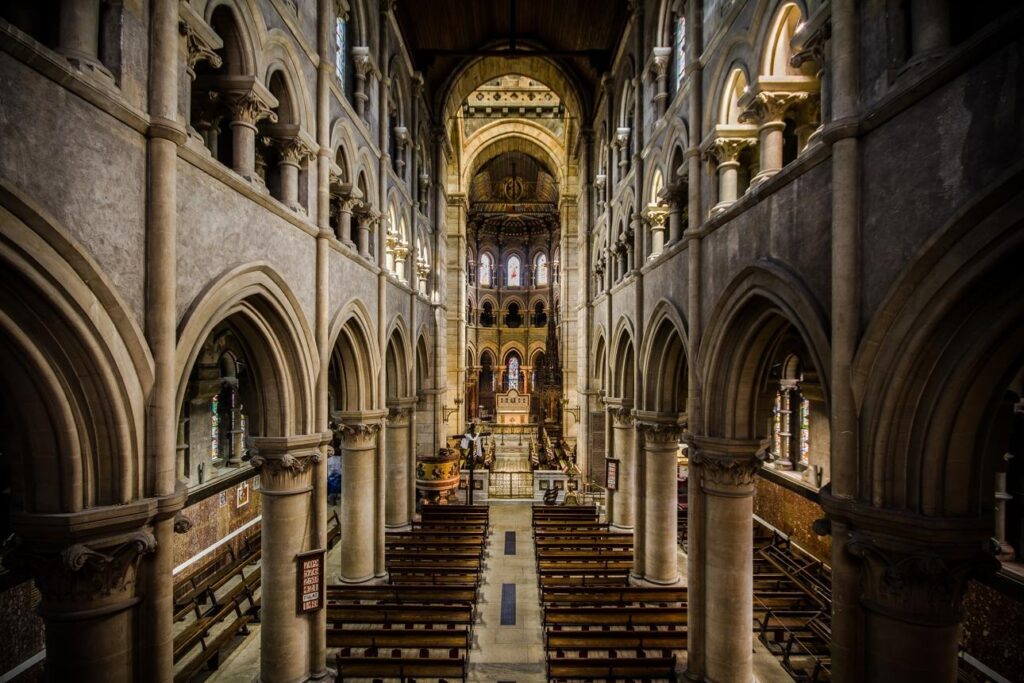
Saint Fin Barre’s Cathedral is one of Cork’s most striking architectural landmarks.
Its Gothic Revival design, detailed stonework, sculptures, and impressive interior make it well worth visiting even if you’re not particularly interested in religious architecture.
Look closely at the exterior details. The cathedral rewards visitors who slow down and pay attention.
The area around the cathedral is also ideal for combining sightseeing with a walk through Cork’s historic southern center.
Ring the Bells at Shandon
One of the most enjoyable experiences in Cork is climbing the tower at St. Anne’s Church in Shandon.
Here, you can ring the famous Shandon Bells and enjoy panoramic views across the city.
The climb is part of the fun. Once you reach the top, Cork spreads out below you in a patchwork of rooftops, streets, and waterways.
This is one of those attractions that feels distinctly Cork. It’s historic, interactive, and just a little quirky.
Best for: Couples, families, photographers, and first-time visitors.
Visit Cork City Gaol
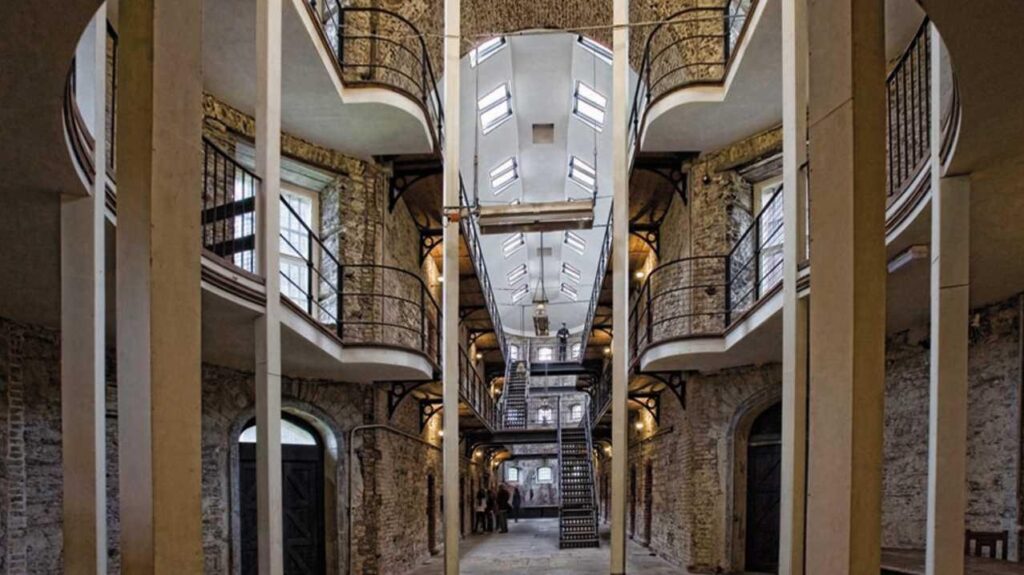
For something different, visit Cork City Gaol.
The former prison offers a fascinating look into what life was like for prisoners in the 19th and early 20th centuries. The restored building, historic cells, and storytelling make the experience more immersive than a typical museum visit.
It’s a particularly good option when the weather turns wet—which, let’s be honest, can happen at any time in Ireland.
Allow enough time to explore the building properly and take in the historical exhibits.
Walk Through Fitzgerald Park
Need a break from sightseeing?
Head to Fitzgerald Park.
This attractive riverside green space is a peaceful place to slow down. Walk through the gardens, relax beside the River Lee, or simply enjoy some quiet time away from the busy center.
Families often appreciate the open spaces, while photographers will find plenty of attractive views around the river.
It’s also a pleasant place to visit during warmer months when the gardens are at their best.
Visit the Crawford Art Gallery
Art lovers should make time for the Crawford Art Gallery in the city center.
The gallery houses a diverse collection spanning historic and contemporary works. Its central location makes it easy to include during a walking tour.
Even if you’re not planning an entire afternoon of gallery-hopping, it’s worth stopping in for a cultural break.
Cork has a strong creative identity, and places like the Crawford help explain why the city has such a vibrant arts scene.
Walk Along the River Lee
One of the simplest—and best—things to do in Cork is walk beside the River Lee.
The river divides around parts of the city center, creating waterways, bridges, and unexpected viewpoints.
Take a relaxed walk during the day, then return around sunset for a completely different atmosphere.
For photographers, the bridges and reflections provide plenty of opportunities. For everyone else, it’s simply a pleasant way to see the city without following a strict sightseeing schedule.
Discover Blarney Castl
One of the most popular day trips from Cork is Blarney Castle.
The medieval castle is surrounded by extensive gardens, woodland paths, and interesting rock formations. Of course, many visitors come hoping to kiss the famous Blarney Stone and receive the legendary “gift of the gab.”
But there’s more to the experience than the stone.
Spend time exploring the gardens and walking through the grounds. The landscape can be just as memorable as the castle itself.
Travel tip: Don’t rush your visit. Give yourself several hours to explore the castle and gardens.
Explore Cobh
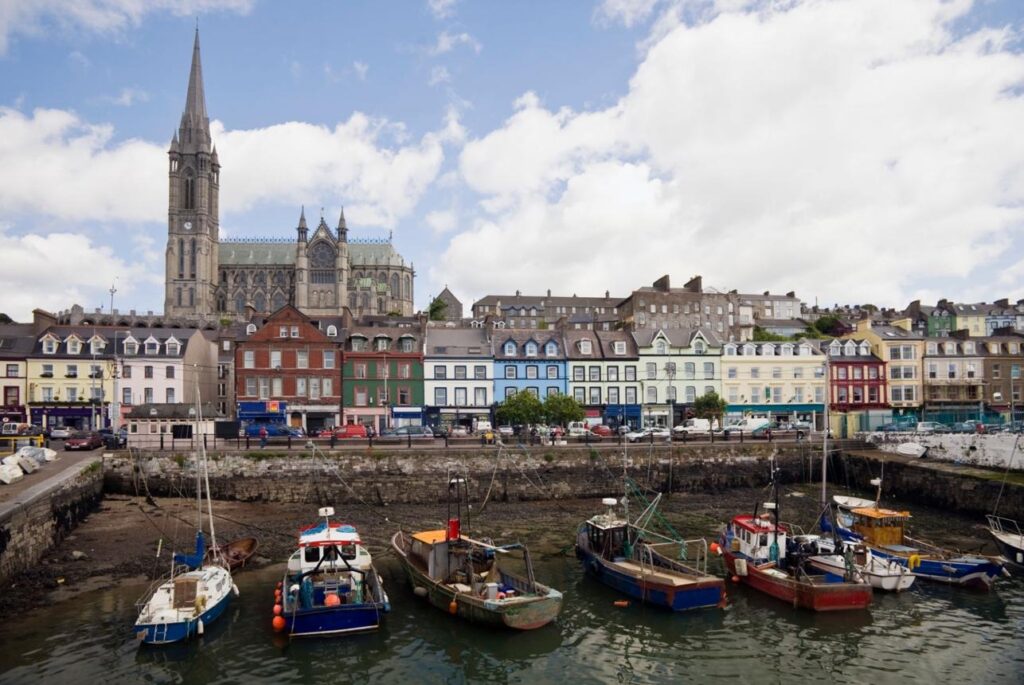
Cobh is one of the most photogenic towns near Cork.
Colorful houses climb the hillside above the harbor, creating one of the most recognizable views in County Cork. The town also has deep connections to Irish emigration and maritime history.
Take a walk along the waterfront, explore the streets, and visit the town’s impressive cathedral.
Cobh is also historically connected with the Titanic’s final departure point, making it an important stop for visitors interested in maritime history.
The train journey from Cork makes Cobh particularly convenient for travelers without a car.
Visit Spike Island
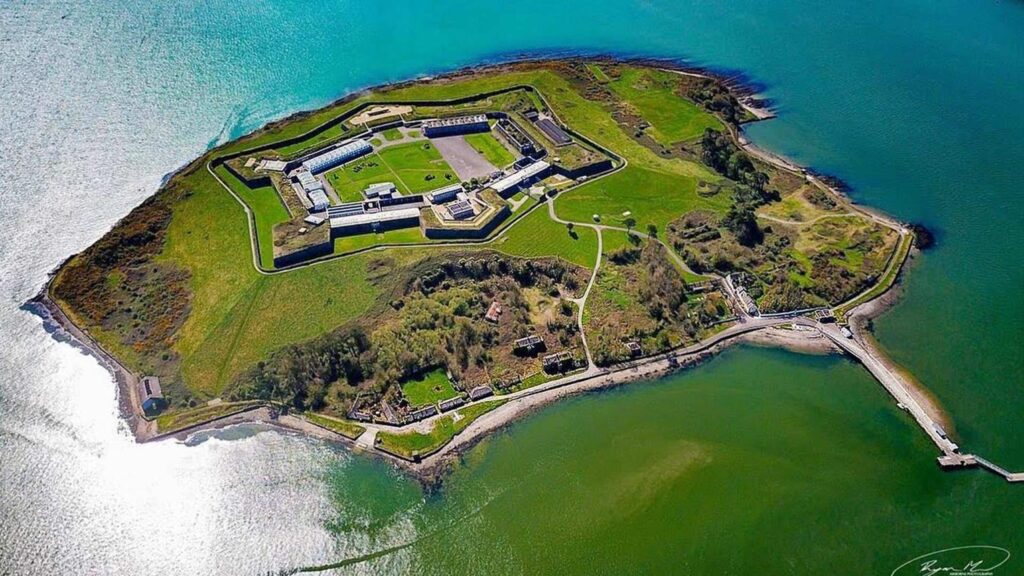
For an adventure with a difference, take a boat to Spike Island.
Located in Cork Harbour, the island has served as a monastery, fortress, and prison. Today, visitors can explore its historic structures and learn about its unusual past.
The boat journey itself adds to the experience.
If you’re interested in history, military architecture, or unusual places, Spike Island is one of the most rewarding experiences in County Cork.
Check ferry schedules before visiting, as services can vary depending on the season and weather.
Enjoy Fota Wildlife Park
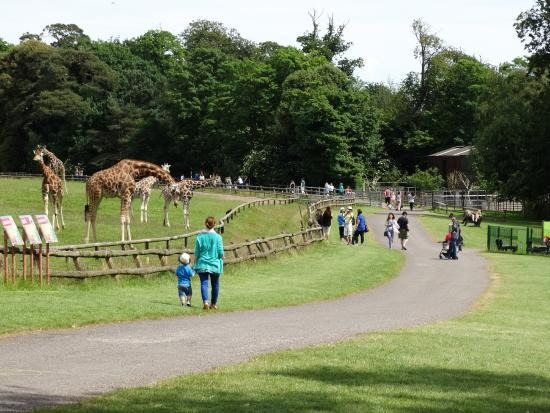
Traveling with children?
Fota Wildlife Park is an excellent choice.
The park offers large open spaces and a range of animals in environments designed to encourage more natural behavior. It’s a great way to spend several hours outdoors.
Fota is located on an island in Cork Harbour and is easy to combine with a wider exploration of the area.
Families should allow plenty of time because children will likely want to stop frequently.
Explore Kinsale
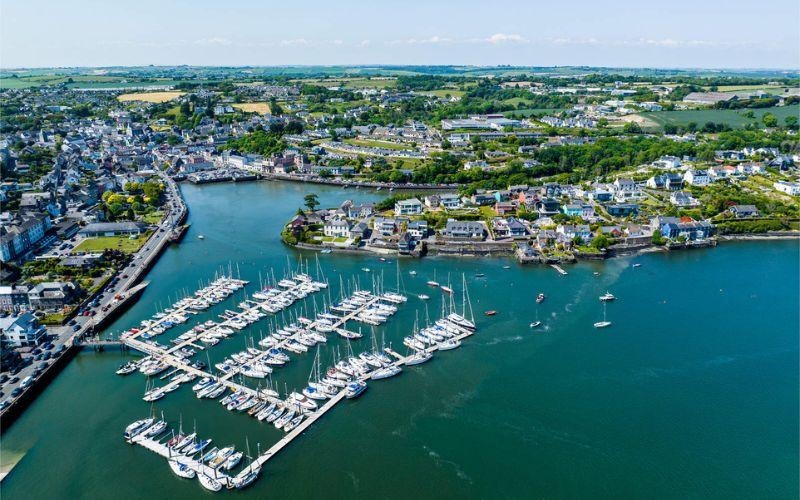
Kinsale is one of the best places to visit near Cork for travelers who love beautiful streets and great food.
The colorful harbor town is famous for its restaurants, seafood, historic buildings, and maritime atmosphere.
Spend the day walking through the center, exploring the harbor, and enjoying a long lunch.
History lovers can visit Charles Fort, while food enthusiasts can turn the trip into a culinary adventure.
Kinsale is especially enjoyable when you don’t over-plan. Give yourself time to wander.
Take a Trip to the Wild Atlantic Coast

County Cork offers some spectacular coastal scenery.
If you have extra time, consider heading west toward the rugged landscapes of West Cork. The further you travel, the more the scenery changes from city streets to quiet roads, rocky coastlines, green hills, and small villages.
For road-trip travelers, this is where Cork becomes particularly exciting.
You can extend your journey toward places such as Clonakilty, Skibbereen, Baltimore, and the Beara Peninsula, depending on how much time you have.
Best Hidden Gems in Cork
The major attractions deserve attention, but some of Cork’s best moments happen away from the crowds.
Consider adding these lesser-known experiences to your itinerary:
Explore Cork’s Independent Shops
Skip the international chains and look for small local businesses selling Irish crafts, books, clothing, food, and gifts.
Discover the Butter Museum
Cork has a deep connection with the Irish dairy industry, and this unusual museum explores the history of butter production in Ireland.
Wander Through Shandon
The Shandon area has a relaxed neighborhood feel and some of the city’s most interesting historic streets.
Explore University College Cork
The university campus is attractive and offers a pleasant place to walk, particularly around its historic buildings and riverside surroundings.
Visit the Nano Nagle Place
This peaceful heritage and cultural site combines history, gardens, and a sense of calm in the heart of the city.
Best Food and Drink Experiences in Cork
Cork is one of Ireland’s best destinations for food lovers.
Start with the English Market, then explore the city’s independent cafés and restaurants.
Try local seafood, artisan cheese, freshly baked bread, and seasonal Irish produce. If you’re visiting in colder weather, order a hearty traditional meal and pair it with a local drink.
For a true Cork experience, spend at least one evening in a traditional pub.
Look for places where locals gather rather than choosing a pub only because it appears in every guidebook. You may discover live traditional music, friendly conversation, and a much more authentic atmosphere.
Best Areas to Stay in Cork
Where you stay can shape your experience.
Cork City Centre
Best for first-time visitors who want to walk to restaurants, attractions, shops, and nightlife.
Victorian Quarter
A convenient choice for travelers who want easy access to the city center and a lively local atmosphere.
Shandon
Ideal for visitors interested in historic Cork and those who don’t mind staying slightly uphill from the center.
Near University College Cork
A quieter option with access to green spaces and attractive surroundings.
Cobh
Consider staying overnight in Cobh if you want a harbor-town experience rather than a city break.
How to Get Around Cork
Cork city center is compact, and walking is often the easiest way to explore.
For attractions outside the center, you can use:
- Local buses
- Trains
- Taxis
- Organized tours
- Rental cars
A car becomes more useful if you’re planning to explore West Cork, the Wild Atlantic coastline, or multiple rural destinations.
For a short city break, however, you may not need one.
Best Time to Visit Cork
The best time to visit Cork depends on what you want from your trip.
Spring
Spring brings longer days and fresh green landscapes. It’s a good choice for travelers who want a balance between pleasant weather and fewer crowds.
Summer
Summer offers the longest daylight hours and the best chance of enjoying outdoor activities. However, popular attractions can be busier.
Autumn
Autumn brings beautiful colors and a quieter atmosphere. It’s an excellent season for photography and cozy pub evenings.
Winter
Winter is ideal for travelers who enjoy museums, historic attractions, restaurants, and traditional pubs. Pack warm waterproof clothing and expect shorter daylight hours.
My pick: Late spring and early autumn offer an excellent balance of atmosphere, scenery, and manageable crowds.
Cork Weather
Cork has a mild maritime climate, but rain can arrive throughout the year.
Pack layers rather than relying on one heavy jacket. A waterproof outer layer, comfortable walking shoes, and a compact umbrella are useful.
Don’t let a rainy forecast ruin your plans. Some of Cork’s most enjoyable experiences—pubs, galleries, museums, markets, and historic interiors—are perfect for wet days.
How to Reach Cork
Cork is well connected to the rest of Ireland.
By Air
Cork Airport serves domestic and international routes and is located a short distance from the city.
By Train
Irish Rail connects Cork with Dublin and other destinations, making train travel a practical option for many visitors.
By Bus
Long-distance and regional buses connect Cork with cities and towns throughout Ireland.
By Car
Driving gives you the most freedom if you plan to explore County Cork beyond the city.
How Much Does a Cork Trip Cost?
Your daily budget will depend heavily on your travel style.
Budget Traveler
Expect to spend less by staying in hostels or budget accommodation, using public transport, and eating at casual cafés or markets.
Mid-Range Traveler
A comfortable hotel, restaurant meals, paid attractions, and occasional taxis will create a moderate daily budget.
Luxury Traveler
Upscale hotels, fine dining, private tours, and rental cars will significantly increase your costs.
Money-saving tip
Book accommodation early during busy travel periods and combine free attractions—such as city walks, parks, and riverside strolls—with a few paid experiences.
Cork Travel Tips
Keep these practical tips in mind:
- Wear comfortable shoes because Cork has hills and plenty of walking.
- Carry a waterproof jacket.
- Book popular attractions ahead during peak season.
- Don’t try to see all of County Cork in one day.
- Leave time for spontaneous discoveries.
- Use public transport for easy day trips where practical.
- Consider renting a car for West Cork.
- Ask locals for food and pub recommendations.
- Check opening hours before visiting smaller attractions.
- Keep some flexibility in your itinerary for changing weather.
Cork Travel Mistakes to Avoid
Trying to See Everything in One Day
Cork city deserves at least two days if you want to explore without rushing.
Ignoring the Surrounding County
Some of the best experiences are outside the city center.
Planning Every Minute
Leave room for unexpected discoveries. Cork is particularly good for relaxed exploration.
Wearing Uncomfortable Shoes
You may walk much more than expected.
Assuming Rain Means a Bad Day
Ireland’s weather changes quickly. Keep a flexible plan and enjoy the city regardless.
Cork Itinerary: 2 Days
Day 1: Explore Cork City
Start at the English Market and explore the surrounding streets.
Walk toward Elizabeth Fort for panoramic views, then visit Saint Fin Barre’s Cathedral.
Continue toward Shandon and climb the tower at St. Anne’s Church to ring the bells.
Spend the afternoon exploring Cork City Gaol or the Crawford Art Gallery.
Finish the day with dinner at a local restaurant followed by a traditional pub experience.
Day 2: Choose a Day Trip
You have several options.
Option 1: Blarney Castle
Explore the castle and gardens before returning to Cork.
Option 2: Cobh and Spike Island
Discover Cork Harbour, explore Cobh, and take a ferry to Spike Island.
Option 3: Kinsale
Spend the day enjoying colorful streets, coastal scenery, historic sites, and excellent food.
Option 4: Fota Wildlife Park
A great choice for families or animal lovers.
If you have three or four days, consider adding West Cork to your itinerary.
Frequently Asked Questions
What are the best things to do in Cork Ireland?
The best things to do include visiting the English Market, exploring Elizabeth Fort, seeing Saint Fin Barre’s Cathedral, ringing the Shandon Bells, visiting Cork City Gaol, walking along the River Lee, and taking day trips to Blarney Castle, Cobh, Kinsale, and Spike Island.
Is Cork worth visiting?
Yes. Cork is worth visiting for its food scene, historic attractions, lively atmosphere, nearby coastal towns, and easy access to County Cork’s beautiful landscapes.
How many days do you need in Cork?
Two days is a good starting point for Cork city and one nearby attraction. Three to four days allow you to explore more of County Cork.
What is Cork famous for?
Cork is famous for its historic harbor, food culture, English Market, River Lee, Blarney Castle, Cobh, traditional pubs, and strong connections to Irish maritime history.
Is Cork walkable?
Yes. Much of central Cork is easy to explore on foot. However, some areas are hilly, so comfortable shoes are essential.
What is the best day trip from Cork?
Blarney Castle is one of the easiest and most popular day trips. Cobh, Kinsale, Spike Island, and Fota Wildlife Park are also excellent choices.
Is Cork good for families?
Yes. Families can enjoy Fota Wildlife Park, Cork City Gaol, Blarney Castle, parks, museums, and boat trips.
Is Cork good for couples?
Absolutely. Couples can enjoy scenic walks, excellent restaurants, cozy pubs, historic attractions, and romantic day trips along the coast.
Can you visit Cork without a car?
Yes. Cork city is easy to explore without a car, and several nearby destinations can be reached by public transport. A rental car becomes more useful for exploring remote parts of County Cork.
What food should you try in Cork?
Look for fresh seafood, Irish cheeses, artisan bread, locally sourced meat, traditional Irish dishes, and seasonal produce. The English Market is a great place to begin your food adventure.
Final Thoughts
The best things to do in Cork Ireland aren’t limited to a checklist of famous attractions. Cork is a destination you experience slowly—walking beside the River Lee, discovering a hidden café, listening to music in a traditional pub, exploring an old fort, or watching the colorful houses of Cobh rise above the harbor.
Give yourself enough time to explore beyond the city center, too. From Blarney Castle and Cobh to Kinsale, Spike Island, and the wild landscapes of West Cork, County Cork offers an incredible mix of history, food, culture, and natural beauty.
If you’re planning an Ireland trip, Cork deserves more than a quick stop between destinations. Stay for a few days, explore at your own pace, talk to locals, and leave room for the unexpected. That’s when Cork truly starts to feel like your kind of place.
Things to Do in Killarney Ireland: 31 Unforgettable Experiences for Your Wild Kerry Adventure