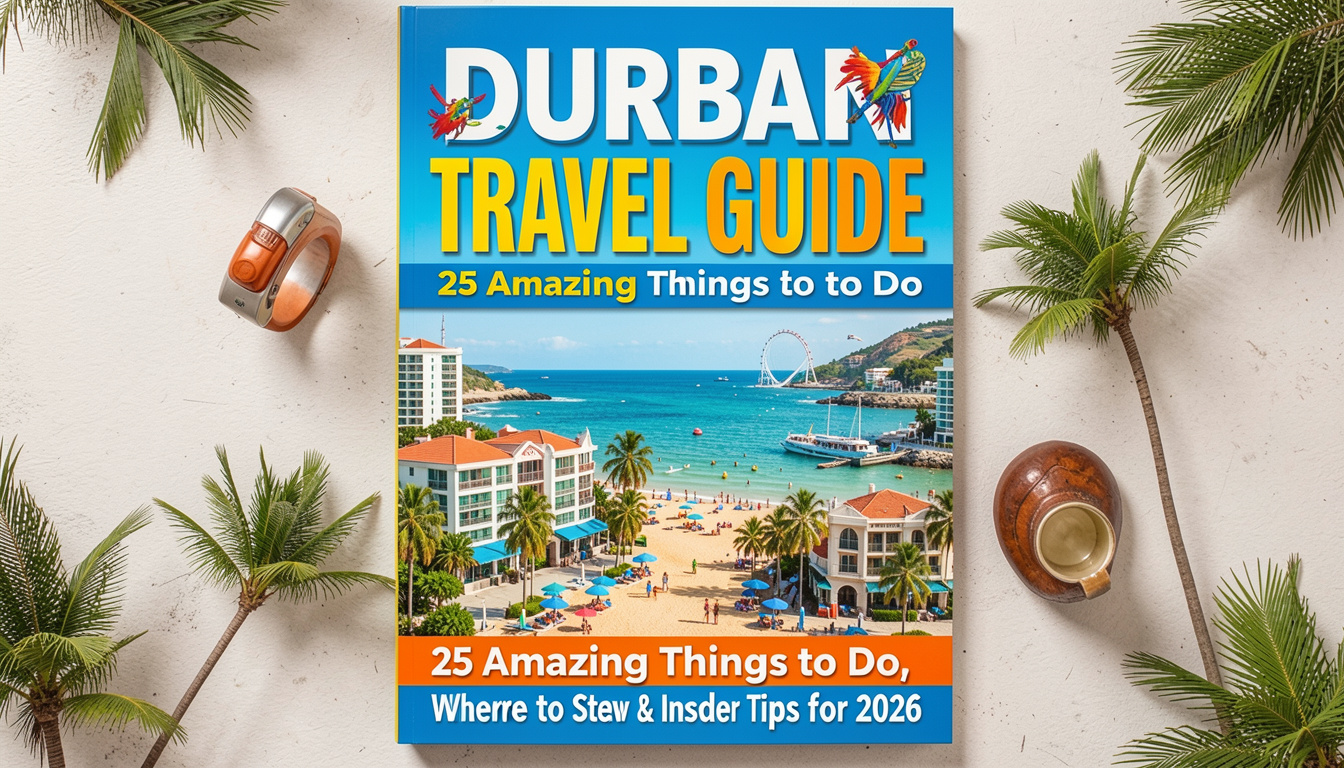
Planning your first trip to Durban? You’re in for a pleasant surprise. While many travelers heading to South Africa focus on Cape Town or Johannesburg, Durban offers a different experience. Think warm Indian Ocean beaches, colorful markets, rich cultural heritage, delicious food, and outdoor adventures—all in one destination.
This Durban travel guide is designed to help travelers from the United States plan a smooth and memorable vacation. Whether you’re looking for family-friendly attractions, romantic beach escapes, surfing adventures, or authentic local cuisine, Durban has something for every type of traveler.
From iconic landmarks to hidden gems, this guide covers everything you need to know before you go, including the best time to visit, top attractions, transportation, budgeting, and practical travel tips.
Why Visit Durban?
Durban is South Africa’s third-largest city and one of Africa’s favorite beach destinations. Located on the country’s eastern coast along the Indian Ocean, the city enjoys a subtropical climate that keeps temperatures warm throughout the year.
Unlike many beach destinations that focus only on the coast, Durban combines nature, culture, history, shopping, and adventure into one easy-to-explore city.
What Makes Durban Special?
- Warm beaches throughout the year
- Excellent surfing conditions
- Rich Zulu culture
- One of the world’s largest Indian communities outside India
- Incredible seafood and curry dishes
- Family-friendly attractions
- Easy access to wildlife parks
- Beautiful coastal drives
- Affordable compared to many international beach destinations
For travelers seeking a mix of relaxation and adventure, Durban delivers excellent value.
Best Time to Visit Durban
One of the biggest advantages of visiting Durban is its pleasant climate. Unlike many destinations with short beach seasons, Durban can be enjoyed almost any time of the year.
Weather by Season
| Season | Months | Weather | Best For |
| Summer | December–February | Hot, humid, rainy | Beaches, surfing |
| Autumn | March–May | Warm and comfortable | Sightseeing |
| Winter | June–August | Mild and sunny | Outdoor activities |
| Spring | September–November | Warm with fewer crowds | Nature and beaches |
Best Overall Time
For most international visitors, April through October offers the ideal balance of sunshine, comfortable temperatures, and lower humidity.
Peak Tourist Season
Expect larger crowds during:
- Christmas holidays
- New Year
- Easter
- South African school vacations
Booking accommodations early during these periods can help you secure better prices.
How to Get to Durban
Getting to Durban from the United States usually involves one or two connecting flights.
Most travelers connect through:
- Johannesburg
- Cape Town
- Doha
- Dubai
- London
Durban is served by King Shaka International Airport, located about 22 miles (35 km) north of the city center.
After landing, travelers can choose from:
- Rental cars
- Airport shuttles
- Ride-sharing services
- Metered taxis
- Private transfers
For first-time visitors staying near the beachfront, airport transfers are often the easiest option.
Where to Stay in Durban
Choosing the right neighborhood can make your trip more enjoyable. Each area offers a different experience depending on your travel style and budget.
| Area | Best For | Atmosphere |
| Golden Mile | First-time visitors | Beachfront, lively |
| Umhlanga | Luxury travelers | Upscale and modern |
| North Beach | Families | Relaxed and convenient |
| Morningside | Food lovers | Trendy and local |
| Berea | Budget travelers | Residential and affordable |
Golden Mile
The Golden Mile is Durban’s most famous beachfront area. Visitors can walk along the promenade, enjoy ocean views, rent bicycles, and easily access many of the city’s top attractions.
Ideal for:
- Families
- Couples
- First-time visitors
Umhlanga
If you’re looking for luxury hotels, upscale restaurants, and beautiful beaches, Umhlanga is an excellent choice.
Highlights include:
- Safe walking areas
- Luxury resorts
- Great shopping
- Fine dining
- Scenic lighthouse
Morningside
Travelers interested in local culture and nightlife often choose Morningside.
You’ll find:
- Boutique hotels
- Coffee shops
- Local restaurants
- Live music venues
- Art galleries
Top Things to Do in Durban
Durban offers much more than beautiful beaches. Here are the attractions every visitor should consider adding to their itinerary.
Walk the Golden Mile
The Golden Mile is one of Durban’s most iconic attractions. Stretching along the coastline, this scenic promenade is perfect for walking, jogging, cycling, or simply enjoying ocean views.
You’ll find:
- Street performers
- Cafés
- Public art
- Beach access
- Surf shops
Early mornings and sunsets provide the best atmosphere for photography.
Visit uShaka Marine World
One of the city’s biggest family attractions, uShaka Marine World combines an aquarium, water park, shopping village, and entertainment complex.
Visitors can enjoy:
- Dolphin shows
- Shark exhibits
- Water slides
- Snorkeling experiences
- Family-friendly rides
Families with children often spend an entire day here.
Relax on Durban’s Beaches
Durban is famous for its golden sand and warm Indian Ocean waters.
Popular beaches include:
| Beach | Best For |
| North Beach | Swimming |
| South Beach | Surfing |
| Addington Beach | Families |
| uShaka Beach | Water sports |
| Umhlanga Beach | Relaxation |
Many beaches are protected by lifeguards and shark safety measures, making them popular for both locals and tourists.
Explore Durban Botanic Gardens
Nature lovers shouldn’t miss the Durban Botanic Gardens.
Highlights include:
- Orchid collections
- Palm gardens
- Walking trails
- Bird watching
- Peaceful picnic spots
It’s one of the oldest surviving botanical gardens in Africa and offers a relaxing break from the city’s busy coastline.
Discover Local Markets
Durban’s markets reflect the city’s multicultural identity.
Popular shopping experiences include:
- Handmade crafts
- Fresh spices
- African artwork
- Jewelry
- Local fashion
- Souvenirs
Browsing these markets is also a great way to experience Durban’s vibrant local culture and meet artisans
Best Places to Eat in Durban
Must-Try Local Foods
| Dish | Description | Best For |
| Bunny Chow | Hollow bread filled with spicy curry | Lunch |
| Durban Curry | Rich, spicy curry with unique local flavors | Dinner |
| Shisanyama | Traditional South African barbecue | Family meals |
| Vetkoek | Fried bread filled with meat or jam | Snack |
| Fresh Seafood | Grilled fish, prawns, and calamari | Coastal dining |
Recommended Restaurants
- The Cargo Hold
- Afro’s Chicken
- Little Gujarat
- Butcher Boys Grill
- Roma Revolving Restaurant
Travel Tip: Reserve a table at popular restaurants during weekends and holidays.
Shopping in Durban
Best Shopping Areas
| Location | What You’ll Find |
| Gateway Theatre of Shopping | International brands |
| Victoria Street Market | Souvenirs and spices |
| Musgrave Centre | Fashion and dining |
| Florida Road | Boutique stores |
| Artisan Markets | Handmade crafts |
Popular souvenirs include:
- Zulu beadwork
- African artwork
- Handmade baskets
- South African wines
- Local spices
Safety Tips for Visiting Durban
Sample 5-Day Durban Itinerary
Day 1
- Golden Mile
- North Beach
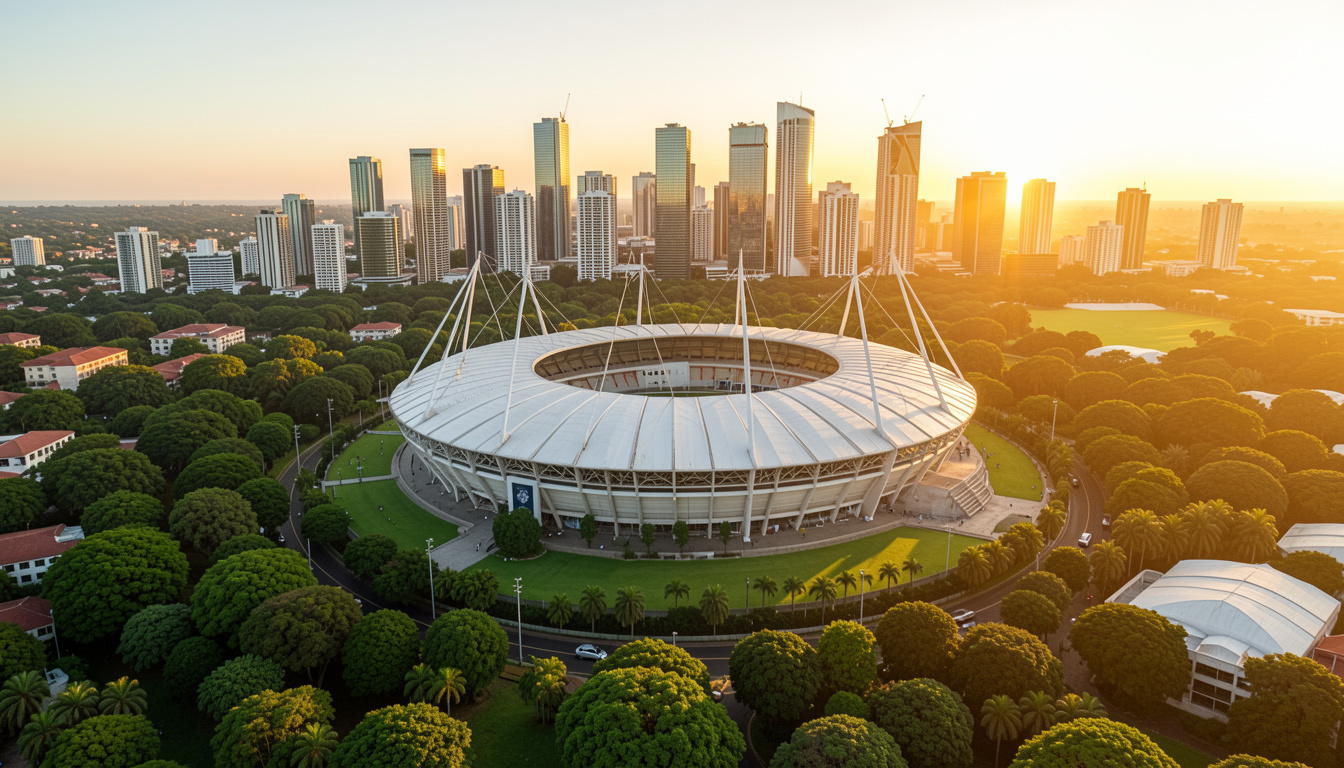
- Moses Mabhida Stadium
Day 2
- uShaka Marine World
- Harbour Cruise
- Dinner at the waterfront
Day 3
- Valley of a Thousand Hills
- Zulu Cultural Village
- Traditional dinner
Day 4
- Durban Botanic Gardens
- Victoria Street Market
- Florida Road nightlife
Day 5
Choose one day trip:
- Drakensberg Mountains
- Hluhluwe Game Reserve
- Ballito Beaches
Budget Breakdown
| Expense | Budget | Mid-Range | Luxury |
| Hotel | $40–70 | $90–180 | $250+ |
| Food | $15–30 | $40–70 | $100+ |
| Transport | $10–20 | $25–40 | $60+ |
| Attractions | $20–50 | $50–90 | $100+ |
Pros and Cons of Visiting Durban
| Pros | Cons |
| Beautiful beaches | Summer humidity |
| Affordable travel | Pickpocketing in busy areas |
| Excellent food | Public transport limitations |
| Warm weather year-round | Rain during summer months |
| Rich cultural experiences | Peak-season crowds |
Common Mistakes to Avoid
Many first-time visitors make avoidable mistakes that can affect their trip.
- Visiting only the beaches and missing cultural attractions.
- Forgetting sunscreen because the UV index is high.
- Not carrying small cash for markets.
- Ignoring weather forecasts during the rainy season.
- Booking accommodation too late during school holidays.
- Walking alone in unfamiliar areas after dark.
- Skipping local food experiences like Bunny Chow.
Expert Tips
- Visit major attractions early to avoid crowds.
- Stay near the beachfront for easy access to top sights.
- Download offline maps before exploring.
- Carry a reusable water bottle.
- Book wildlife tours in advance.
- Try local cuisine instead of international chains.
- Keep emergency contact numbers saved on your phone.
- Use card payments where possible.
Durban Travel Checklist
Before your trip, make sure you have:
- Passport
- Visa (if required)
- Travel insurance
- Hotel confirmation
- Flight tickets
- Credit/debit cards
- South African Rand
- Universal power adapter
- Sunscreen
- Sunglasses
- Comfortable walking shoes
- Swimwear
- Lightweight clothing
- Rain jacket
- Camera
- Mobile charger
- Copies of important documents
Frequently Asked Questions
Is Durban safe for tourists?
Yes. Most visitors enjoy a safe trip by staying in tourist areas, avoiding isolated places at night, and using common travel precautions.
How many days should I spend in Durban?
A stay of 4 to 5 days is ideal for exploring the city’s beaches, attractions, cultural sites, and nearby day trips.
What is Durban famous for?
Durban is known for its warm beaches, Indian-influenced cuisine, Bunny Chow, surfing, and diverse cultural heritage.
Is Durban expensive?
Compared to many international destinations, Durban offers excellent value for money with affordable hotels, dining, and attractions.
Do I need a visa?
Visa requirements depend on your nationality. Always check the latest South African immigration requirements before traveling.
Can I drink tap water?
Tap water is generally considered safe in many parts of Durban, but travelers should verify local advice or opt for bottled water if unsure.
Which currency is used?
The official currency is the South African Rand (ZAR).
Is English widely spoken?
Yes. English is widely spoken alongside Zulu and Afrikaans.
What should I pack?
Pack lightweight clothing, comfortable shoes, sunscreen, swimwear, a light jacket, and travel adapters.
Is Durban good for families?
Absolutely. Beaches, marine attractions, parks, and family-friendly restaurants make Durban an excellent destination for travelers with children.
Conclusion
Durban combines beautiful beaches, rich cultural heritage, delicious cuisine, and exciting outdoor adventures into one unforgettable destination. Whether you’re planning a relaxing coastal escape, a family vacation, or an adventure-filled holiday, this city offers something for every traveler.
Following this Durban travel guide will help you plan smarter, save money, and make the most of your visit. From enjoying the famous Golden Mile and tasting authentic Bunny Chow to exploring wildlife reserves and vibrant local markets, Durban promises memorable experiences at every turn.
Start planning your Durban adventure today, book your accommodation early, and prepare to discover one of South Africa’s most welcoming coastal cities. Safe travels!
FAQs
Is Durban worth visiting?
Yes, Durban is one of South Africa’s top coastal destinations. It offers beautiful beaches, warm weather, rich cultural experiences, delicious local food, family-friendly attractions, and outdoor adventures. Whether you’re traveling with family, friends, or alone, Durban has something for everyone.
What is the best time to visit Durban?
The best time to visit Durban is from April to September when the weather is mild, sunny, and comfortable for sightseeing and beach activities. Summer (November to March) is also popular but tends to be hotter and more humid, with occasional rainfall.
How many days do I need in Durban?
A 4 to 5-day trip is ideal for exploring Durban’s top attractions, relaxing on its beaches, enjoying local cuisine, and taking a day trip to nearby destinations like the Valley of a Thousand Hills or a wildlife reserve.
Is Durban safe for tourists?
Yes, Durban is generally safe for tourists who follow basic travel precautions. Stay in well-known areas, avoid walking alone at night in unfamiliar neighborhoods, keep valuables secure, and use trusted transportation services.
What are the top attractions in Durban?
Some of the most popular attractions include:
- Golden Mile
- uShaka Marine World
- Moses Mabhida Stadium
- Durban Botanic Gardens
- Victoria Street Market
- Umhlanga Rocks
- Valley of a Thousand Hills
These attractions offer a mix of culture, history, nature, and entertainment.
What food is Durban famous for?
Durban is famous for Bunny Chow, a hollowed-out loaf of bread filled with flavorful curry. The city is also known for fresh seafood, Durban-style curries, Shisanyama (South African barbecue), and Indian-inspired street food.
Can you swim at Durban’s beaches?
Yes, many of Durban’s beaches are safe for swimming. Popular beaches like North Beach and uShaka Beach have lifeguards and shark safety measures, making them suitable for families and visitors.
Is Durban expensive to visit?
Durban is considered an affordable travel destination compared to many international beach cities. Travelers can find budget-friendly accommodation, reasonably priced restaurants, and attractions that suit a wide range of budgets.
Do I need a visa to visit Durban, South Africa?
Visa requirements depend on your nationality. Some travelers can enter South Africa without a visa for short stays, while others need to apply in advance. Always check the latest entry requirements before planning your trip.
What should I pack for a trip to Durban?
Pack lightweight clothing, comfortable walking shoes, swimwear, sunscreen, sunglasses, a hat, a reusable water bottle, a light jacket for cooler evenings, and a universal power adapter. If you plan to visit nature reserves, include insect repellent and binoculars.
Healthy Diet: A Complete Guide to Better Nutrition and Wellness