Quick Answer
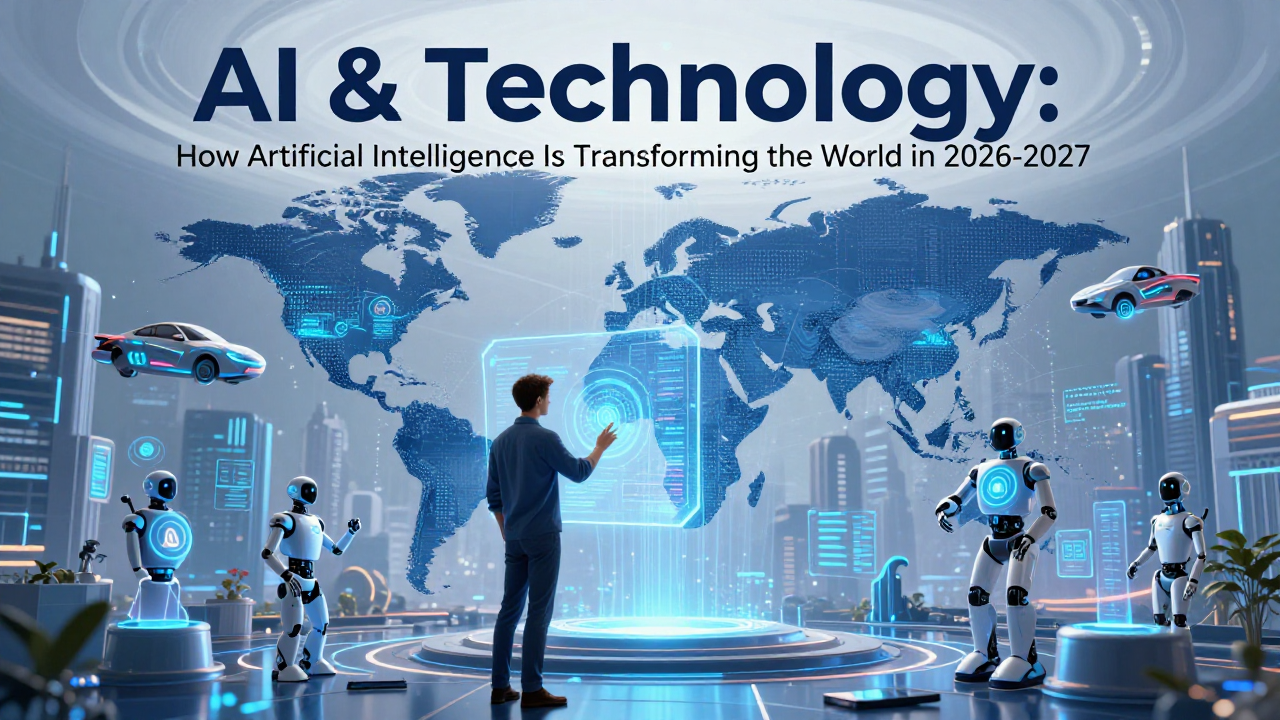
AI & Technology refers to the integration of artificial intelligence and modern digital systems that enable machines to learn, analyze information, and perform tasks that typically require human intelligence. In 2026, AI is transforming daily life by improving healthcare, education, business, communication, transportation, and productivity.
Artificial intelligence has become one of the most powerful technologies shaping the modern world. What once seemed like a futuristic idea is now part of everyday life. From smartphones and online shopping recommendations to smart homes and advanced healthcare systems, AI is changing the way people interact with technology.
The growth of AI & Technology has created a new digital era where machines can understand information, recognize patterns, and provide intelligent solutions. People use AI every day through search engines, voice assistants, social media platforms, navigation apps, and many other digital services.
In 2026, artificial intelligence is not only helping individuals but also transforming entire industries. Businesses are using AI to improve efficiency, doctors are using it to support medical decisions, and students are using AI tools to learn faster.
The combination of artificial intelligence and technology is creating new opportunities while also introducing challenges. Understanding AI has become important because it will continue to influence the future of work, communication, and society.
What Is AI & Technology?
Artificial Intelligence (AI) is a branch of computer science that focuses on creating machines capable of performing tasks that normally require human intelligence.
These tasks include:
- Learning
- Reasoning
- Problem-solving
- Decision-making
- Understanding language
- Recognizing images
Technology refers to the tools and systems created to make human life easier. When AI becomes part of technology, devices become smarter and more capable.
Traditional software follows fixed instructions, but AI-powered systems can learn from data and improve over time. This makes modern technology more flexible and useful.
Examples of AI technology include:
- AI chatbots
- Smart assistants
- Self-driving vehicles
- Recommendation systems
- Smart home devices
- AI-powered business tools
History of Artificial Intelligence
The idea of artificial intelligence has existed for many decades. Scientists began exploring whether machines could think and learn like humans during the twentieth century.
Early AI systems were limited because computers were not powerful enough to process large amounts of information. As technology improved, AI development accelerated.
The rise of the internet, cloud computing, and big data gave AI systems access to huge amounts of information. Machine learning allowed computers to identify patterns and improve without being programmed for every situation.
Today, AI can:
- Generate content
- Understand speech
- Analyze data
- Recognize objects
- Assist decision-making
Artificial intelligence has evolved from simple computer programs into advanced systems that influence modern life.
How AI Works
AI works by combining data, algorithms, and computing power.
Data Collection
AI systems need information to learn. Data can come from websites, applications, sensors, cameras, and user activity.
Machine Learning
Machine learning allows computers to study data and find patterns. The system improves as it receives more information.
Deep Learning
Deep learning uses advanced networks inspired by the human brain. It powers technologies such as image recognition and language processing.
Natural Language Processing
Natural language processing helps computers understand human communication. It is used in chatbots, translators, and voice assistants.
AI in Daily Life
Artificial intelligence has become part of everyday routines.
People use AI through:
- Search engines
- Social media
- Online shopping
- Streaming services
- Navigation apps
- Digital assistants
AI studies user behavior and creates personalized experiences.
For example, streaming platforms recommend shows based on viewing history, while shopping websites suggest products based on previous searches.
AI in Smartphones
Smartphones are among the most common examples of AI technology.
AI improves smartphones through:
Face Recognition
AI analyzes facial patterns to unlock devices securely.
Smart Cameras
AI cameras automatically improve photos by adjusting lighting, focus, and colors.
Voice Assistants
AI assistants help users search information, send messages, and manage tasks.
Battery Optimization
AI learns usage patterns and improves battery performance.
AI in Education
Artificial intelligence is changing education by creating personalized learning experiences.
Students use AI for:
- Research
- Study assistance
- Writing help
- Learning explanations
Teachers use AI tools for:
- Grading
- Lesson planning
- Student progress tracking
AI helps create flexible learning systems that match individual needs.
AI in Healthcare
Healthcare is one of the biggest areas influenced by AI.
AI helps with:
- Disease detection
- Medical imaging
- Patient monitoring
- Treatment planning
AI systems can analyze medical information quickly and help doctors make better decisions.
AI-powered devices also help people monitor their health through fitness tracking and smart health tools.
AI in Business
Businesses use AI to improve productivity and customer experiences.
AI helps companies with:
- Automation
- Data analysis
- Customer service
- Marketing
- Sales prediction
AI chatbots provide instant customer support, while AI analytics help businesses understand customer behavior.
AI in Marketing
Marketing has become smarter because of AI.
AI helps marketers:
- Understand audiences
- Create personalized campaigns
- Predict customer behavior
- Improve advertising
Companies use AI to deliver the right message to the right people at the right time.
AI in Finance
Financial organizations use AI for:
- Fraud detection
- Risk management
- Customer support
- Investment analysis
AI can analyze millions of transactions and identify unusual activity quickly.
It helps financial companies improve security and provide better services.
AI in Transportation
AI is improving transportation systems around the world.
Applications include:
- Smart navigation
- Traffic management
- Autonomous vehicles
- Vehicle maintenance
AI helps reduce traffic problems and improves travel efficiency.
AI in Smart Homes
Smart homes depend on artificial intelligence to automate daily tasks.
Examples include:
- Smart lights
- Smart cameras
- Smart thermostats
- Smart appliances
AI learns user habits and adjusts settings automatically.
AI in Entertainment
Entertainment platforms use AI to personalize user experiences.
AI helps with:
- Movie recommendations
- Music suggestions
- Video editing
- Content creation
Streaming services use AI to recommend content based on individual interests.
Benefits of AI
Increased Productivity
AI automates repetitive tasks and saves time.
Better Accuracy
AI systems can analyze information and reduce human errors.
Improved Convenience
Smart devices make everyday activities easier.
Innovation
AI creates new opportunities in science, business, and technology.
Better Decisions
AI provides useful insights from large amounts of data.
Challenges of AI
Despite its benefits, AI also creates challenges.
Privacy Concerns
AI systems often collect personal information, creating concerns about data protection.
Job Changes
Automation may change some jobs, but it also creates new opportunities.
Security Risks
AI can be misused for harmful purposes, requiring strong security measures.
Bias Problems
AI systems can produce unfair results if trained on biased data.
Ethical Concerns of AI
Responsible AI development is important.
Organizations must focus on:
- Fairness
- Transparency
- Privacy
- Safety
Ethical AI ensures that technology benefits society.
Future of AI & Technology
The future of AI & Technology will bring more innovation.
Future developments may include:
- Advanced robotics
- Smart cities
- AI healthcare systems
- Autonomous vehicles
- Improved digital assistants
AI will continue working alongside humans to solve complex problems.
AI Career Opportunities
AI is creating new career paths.
Popular careers include:
- AI engineer
- Data scientist
- Machine learning specialist
- Software developer
- Cybersecurity expert
Learning AI skills can help people prepare for future opportunities.
How Businesses Can Use AI
Businesses can use AI to:
- Automate tasks
- Improve customer service
- Analyze data
- Increase sales
- Reduce costs
Companies that adopt AI effectively can gain a competitive advantage.
Conclusion
AI & Technology are transforming the world by making systems smarter, faster, and more efficient. Artificial intelligence is changing healthcare, education, business, communication, and everyday life.
Although AI brings challenges related to privacy and security, its benefits are enormous. The future will depend on using AI responsibly and combining machine intelligence with human creativity.
AI is not just a technology of the future. It is already shaping the present and creating new possibilities for the world.
FAQs
What is AI & Technology?
AI & Technology means using artificial intelligence with modern tools and systems to improve tasks, services, and everyday life.
How is AI used daily?
AI is used in smartphones, search engines, online shopping, entertainment, healthcare, and smart devices.
Can AI replace humans?
AI can automate some tasks, but humans remain important for creativity, emotions, and decision-making.
What industries use AI?
Healthcare, education, finance, business, transportation, and entertainment all use AI.
What is the future of AI?
The future includes smarter machines, advanced automation, better healthcare, and new technology opportunities.
What Does NPC Mean? Complete Meaning, Uses, Examples & Internet Slang Guide