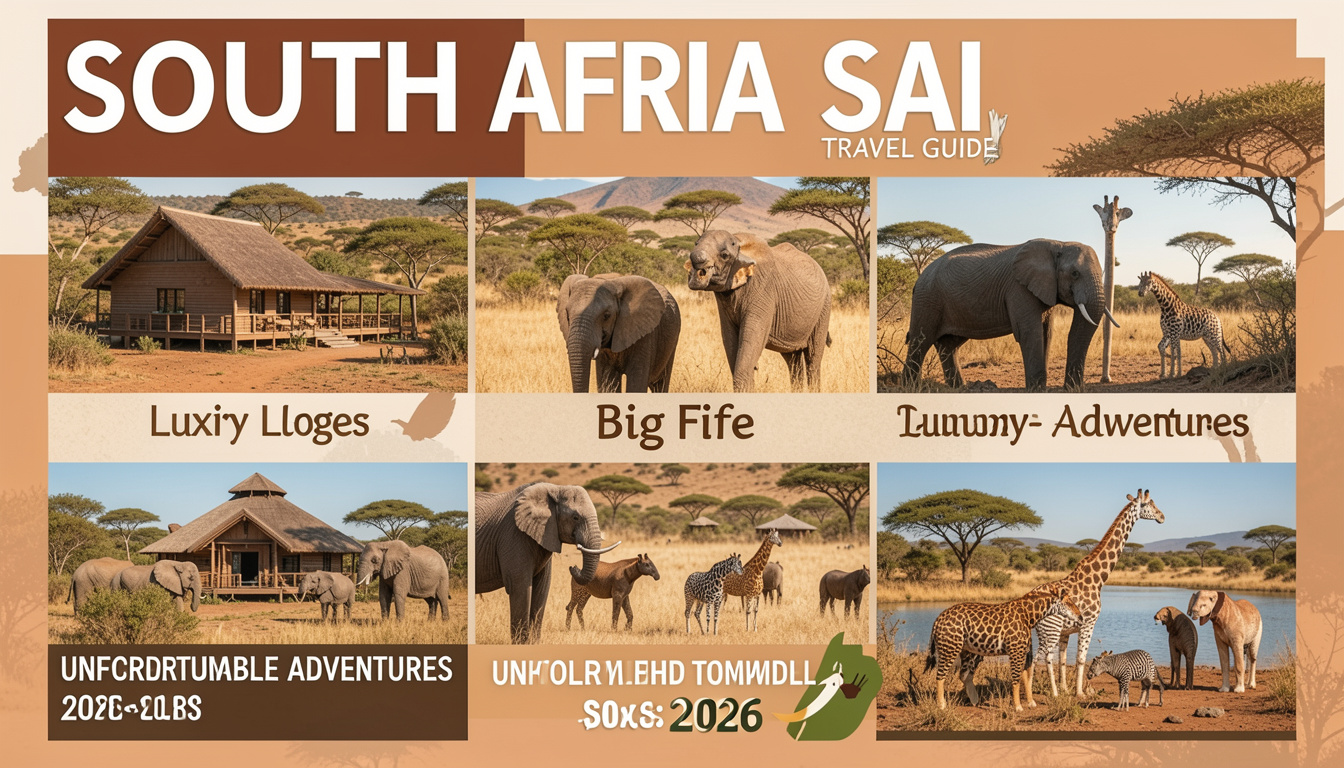
A South Africa safari is more than a vacation—it’s an unforgettable journey into some of the world’s most spectacular wilderness. Imagine watching a pride of lions resting beneath an acacia tree, spotting a leopard hidden in the branches above, or standing just yards away from a family of elephants as they gather around a watering hole. Every game drive offers a new adventure, making each safari unique.
What makes South Africa especially appealing is its incredible variety. Travelers can choose from world-famous national parks, exclusive private game reserves, affordable self-drive adventures, and luxurious all-inclusive safari lodges. Excellent tourism infrastructure, experienced guides, and diverse wildlife make South Africa one of the easiest and safest safari destinations for first-time visitors.
Whether you’re traveling as a couple, with family, or planning the wildlife photography trip of a lifetime, this guide covers everything you need to know. You’ll learn when to visit, where to go, how much to budget, what animals you can expect to see, and expert tips that help you get the most from your safari experience.
Why Choose a South Africa Safari?
Choosing a South Africa safari means experiencing world-class wildlife without sacrificing comfort, accessibility, or value. Few countries combine exceptional game viewing, modern infrastructure, and diverse landscapes as successfully as South Africa.
From the vast savannas of Kruger National Park to exclusive private reserves where vehicles can leave the main roads for closer wildlife encounters, every destination offers something unique.
See the Famous Big Five
Originally coined by hunters, the Big Five now represents the five most sought-after animals to see on safari:
| Animal | Why It’s Famous |
| Lion | Africa’s iconic predator and social big cat. |
| Leopard | Elusive, solitary, and highly prized by wildlife enthusiasts. |
| Elephant | The world’s largest land mammal with remarkable intelligence. |
| Rhinoceros | A rare and endangered species, both black and white rhinos can be found in South Africa. |
| Cape Buffalo | Powerful herd animals known for their strength and unpredictable behavior. |
Many visitors manage to spot all five animals during a multi-day safari, especially in top wildlife areas.
Incredible Wildlife Diversity
While the Big Five attract most visitors, South Africa’s ecosystems support hundreds of other fascinating species.
You may also encounter:
- Cheetahs
- Wild dogs
- Giraffes
- Zebras
- Hippos
- Crocodiles
- Hyenas
- Warthogs
- Antelope species
- Baboons
- Monkeys
- More than 850 bird species
This remarkable biodiversity makes every game drive exciting, even if you’ve been on safari before.
Safari Options for Every Budget
Unlike many safari destinations, South Africa offers experiences for almost every budget.
| Traveler Type | Ideal Safari Style |
| Backpackers | Self-drive safari |
| Families | National parks with family lodges |
| Couples | Luxury private reserves |
| Wildlife photographers | Specialized photography safaris |
| Adventure travelers | Walking safaris |
| Luxury travelers | Five-star all-inclusive safari lodges |
Whether your budget is $150 per day or several thousand dollars, you’ll find memorable safari experiences.
Easy for First-Time Safari Travelers
South Africa is often recommended for first-time safari visitors because it offers:
- Well-maintained roads
- Modern airports
- English widely spoken
- Excellent healthcare in major cities
- Experienced safari guides
- Reliable tourism services
- Wide range of accommodations
- Flexible travel itineraries
This combination makes planning much easier compared to many other African destinations.
Amazing Photography Opportunities
South Africa ranks among the world’s best wildlife photography destinations.
Photographers appreciate:
- Golden sunrise lighting
- Beautiful sunsets
- Diverse landscapes
- Close wildlife encounters
- Professional safari guides
- Specialized photography vehicles
- Excellent bird photography
- Seasonal newborn animals
Even smartphone photographers often return home with incredible images.
Beyond the Safari
One of South Africa’s greatest advantages is the opportunity to combine wildlife with other unforgettable experiences.
Many travelers add:
- Cape Town sightseeing
- Scenic Garden Route road trips
- Whale watching
- Wine tasting
- Beach vacations
- Mountain hiking
- Cultural tours
- Shark cage diving (optional)
- Penguin colonies
- Historic landmarks
This variety allows visitors to create a well-rounded itinerary instead of focusing solely on wildlife.
Quick Comparison: Why Choose South Africa?
| Feature | South Africa |
| Big Five Viewing | ⭐⭐⭐⭐⭐ |
| Luxury Lodges | ⭐⭐⭐⭐⭐ |
| Budget Options | ⭐⭐⭐⭐⭐ |
| Self-Drive Safaris | ⭐⭐⭐⭐⭐ |
| Family Friendly | ⭐⭐⭐⭐⭐ |
| Photography | ⭐⭐⭐⭐⭐ |
| Infrastructure | ⭐⭐⭐⭐⭐ |
| Year-Round Wildlife | ⭐⭐⭐⭐☆ |
| Birdwatching | ⭐⭐⭐⭐⭐ |
| Accessibility | ⭐⭐⭐⭐⭐ |
Best Time to Visit South Africa for Safari
Timing plays an important role in shaping your safari experience. Fortunately, there is no bad time to enjoy a South Africa safari. Each season offers unique wildlife sightings, landscapes, and travel advantages.
The best time depends on what you hope to see, your budget, and whether you prefer lush scenery or easier wildlife spotting.
At a Glance
| Season | Months | Wildlife Viewing | Crowds | Weather |
| Summer | November–February | Good | High | Hot and rainy |
| Autumn | March–April | Very Good | Moderate | Mild and pleasant |
| Winter | May–August | Excellent | Moderate | Cool and dry |
| Spring | September–October | Excellent | Busy | Warm and dry |
Dry Season (May to September)
The dry season is widely considered the best time for a South Africa safari.
During these months:
- Vegetation becomes thinner, making animals easier to spot.
- Water sources shrink, attracting wildlife to rivers and waterholes.
- Cooler temperatures make game drives more comfortable.
- Mosquito activity is generally lower in many safari areas.
- Visibility is excellent for wildlife photography.
This period is especially popular with first-time visitors and photographers because wildlife viewing is often at its peak.
Green Season (October to April)
The rainy or “green” season transforms the landscape into a lush paradise.
Benefits include:
- Beautiful green scenery
- Baby animals are commonly seen.
- Migratory birds arrive, making it a great time for birdwatching.
- Fewer crowds in some parks.
- Attractive accommodation deals outside holiday periods.
Although animals can be slightly harder to spot due to thicker vegetation, the scenery is spectacular and photography opportunities remain excellent.
Best Months by Travel Style
| Travel Goal | Best Months |
| Big Five sightings | May–September |
| Wildlife photography | June–August |
| Birdwatching | November–March |
| Family vacations | June–July, December |
| Lower prices | March–May |
| Green landscapes | November–February |
| Comfortable weather | April–September |
Seasonal Travel Tips
- Book well in advance if traveling during June, July, or school holiday periods.
- Pack layers for early morning and evening game drives, as temperatures can be chilly in winter.
- Bring lightweight, breathable clothing for daytime activities.
- Keep a rain jacket handy if visiting during the summer months.
- Check regional weather patterns, as conditions vary across South Africa.
Best Safari Destinations in South Africa
Choosing the right destination is one of the most important parts of planning a South Africa safari. Every park and private reserve offers a different experience. Some are famous for the Big Five, while others are known for luxury lodges, family-friendly adventures, or incredible birdlife.
The good news is that South Africa has a safari destination for every traveler and budget.
Comparison Table: Best South Africa Safari Destinations
| Safari Destination | Best For | Big Five | Self-Drive | Luxury Lodges | Family Friendly | Best Stay |
| Kruger National Park | First-time visitors | ✅ | ✅ | ⭐⭐⭐⭐ | ✅ | 3–5 Days |
| Sabi Sands Game Reserve | Luxury & leopard sightings | ✅ | ❌ | ⭐⭐⭐⭐⭐ | ✅ | 2–4 Days |
| Madikwe Game Reserve | Families & malaria-free safari | ✅ | ❌ | ⭐⭐⭐⭐⭐ | ⭐⭐⭐⭐⭐ | 3 Days |
| Addo Elephant National Park | Elephant viewing | Partial Big Five | ✅ | ⭐⭐⭐ | ✅ | 2–3 Days |
| Pilanesberg National Park | Short safari near Johannesburg | ✅ | ✅ | ⭐⭐⭐⭐ | ✅ | 2 Days |
| Hluhluwe–iMfolozi Park | Rhino conservation | ✅ | ✅ | ⭐⭐⭐ | ✅ | 2–3 Days |
| Kgalagadi Transfrontier Park | Predators & photographers | No Buffalo | ✅ | ⭐⭐⭐ | Moderate | 3–5 Days |
Kruger National Park
Kruger National Park is the heart of the South Africa safari experience. Covering nearly two million hectares, it is one of Africa’s largest and most famous wildlife reserves.
Its size allows wildlife to roam naturally, giving visitors authentic encounters with animals in their natural habitat.
Why Visit Kruger?
Kruger is perfect for:
- First-time safari travelers
- Wildlife photographers
- Families
- Self-drive adventurers
- Budget-conscious travelers
- Luxury safari guests
The park features excellent roads, visitor centers, camps, restaurants, and guided safari options.
Wildlife Highlights
Kruger is home to:
- Lions
- Leopards
- Elephants
- Rhinos
- Cape buffalo
- Cheetahs
- African wild dogs
- Hyenas
- Hippos
- Crocodiles
- More than 500 bird species
Many visitors successfully spot the Big Five during a three- or four-day visit.
Best Activities
- Morning game drives
- Sunset safaris
- Night drives
- Bush walks
- Birdwatching
- Photography tours
- Self-drive safaris
Ideal For
✔ First safari
✔ Families
✔ Budget travelers
✔ Wildlife enthusiasts
Sabi Sands Game Reserve
Located next to Kruger National Park, Sabi Sands is considered one of Africa’s finest private safari destinations.
Unlike national parks, safari vehicles here can leave the roads to follow wildlife safely, creating unforgettable close-up encounters.
Why Sabi Sands Stands Out
Sabi Sands is famous for:
- Incredible leopard sightings
- Luxury safari lodges
- Smaller safari groups
- Personalized experiences
- Professional guides
- Exclusive wildlife viewing
Many wildlife documentaries have been filmed here because of the area’s extraordinary animal encounters.
Luxury Safari Experience
Most packages include:
- Luxury accommodation
- Gourmet meals
- Guided game drives
- Walking safaris
- Airport transfers
- Evening drives
Although more expensive than public parks, many travelers consider Sabi Sands worth every dollar.
Ideal For
✔ Honeymoon couples
✔ Luxury travelers
✔ Wildlife photographers
✔ Bucket-list vacations
Madikwe Game Reserve
Madikwe is one of South Africa’s hidden safari gems. Located near the Botswana border, it combines luxury with excellent wildlife viewing in a malaria-free environment.
This makes it especially attractive for families with young children.
Why Travelers Love Madikwe
Highlights include:
- Malaria-free location
- Big Five viewing
- Luxury lodges
- Family-friendly activities
- Excellent conservation programs
- Fewer tourist vehicles
Because visitor numbers are limited, safari drives often feel quieter and more exclusive.
Wildlife
You may see:
- Lions
- Leopards
- Elephants
- Rhinos
- Buffalo
- African wild dogs
- Cheetahs
- Giraffes
- Zebras
- Hyenas
Madikwe is especially well known for its healthy population of endangered African wild dogs.
Ideal For
✔ Families
✔ Luxury vacations
✔ Children
✔ First-time safari visitors
Addo Elephant National Park
If elephants top your wildlife wish list, Addo Elephant National Park is an outstanding choice.
Located in South Africa’s Eastern Cape, Addo protects one of the country’s largest elephant populations.
Why Visit Addo?
Visitors enjoy:
- Hundreds of elephants
- Affordable accommodation
- Easy self-drive routes
- Family-friendly facilities
- Beautiful landscapes
- Fewer crowds than Kruger
It’s also a convenient safari destination for travelers exploring the Garden Route.
Wildlife
Besides elephants, Addo is home to:
- Lions
- Buffalo
- Black rhinos
- Hyenas
- Zebras
- Warthogs
- Antelope
- Birds
Marine conservation areas connected to the park also protect whales, dolphins, seals, and great white sharks, making Addo part of the famous “Big Seven” experience.
Ideal For
✔ Families
✔ Road trips
✔ Budget safaris
✔ Elephant lovers
Pilanesberg National Park
Only a few hours from Johannesburg, Pilanesberg National Park is one of the easiest safari destinations to reach.
Built inside an ancient volcanic crater, the park features stunning scenery alongside abundant wildlife.
Advantages
- Close to Johannesburg
- Excellent roads
- Big Five sightings
- Self-drive friendly
- Guided tours available
- Great weekend safari
This makes Pilanesberg perfect for travelers with limited vacation time.
Wildlife
Expect to see:
- Lions
- Leopards
- Rhinos
- Elephants
- Buffalo
- Hippos
- Crocodiles
- Giraffes
- Zebras
- Numerous antelope species
Ideal For
✔ Weekend trips
✔ Short vacations
✔ Families
✔ Self-drive safaris
Hluhluwe–iMfolozi Park
Hluhluwe–iMfolozi Park is the oldest protected game reserve in Africa and has played a major role in saving the white rhinoceros from extinction.
Its rolling hills and lush valleys create a different safari atmosphere compared to Kruger.
Why Visit?
Highlights include:
- Outstanding rhino viewing
- Rich conservation history
- Big Five wildlife
- Scenic landscapes
- Excellent birdwatching
- Fewer crowds
Wildlife
- White rhino
- Black rhino
- Lions
- Leopards
- Elephants
- Buffalo
- Wild dogs
- Hyenas
- Giraffes
For travelers passionate about wildlife conservation, this park is an inspiring destination.
Ideal For
✔ Nature lovers
✔ Conservation enthusiasts
✔ Repeat safari visitors
Kgalagadi Transfrontier Park
Stretching across South Africa and Botswana, Kgalagadi Transfrontier Park offers one of Africa’s most dramatic desert safari experiences.
Instead of dense vegetation, visitors explore vast red sand dunes and open landscapes where predators are easier to spot.
Why It’s Unique
Kgalagadi is known for:
- Black-maned Kalahari lions
- Incredible predator sightings
- Stunning landscapes
- Exceptional photography
- Remote wilderness
- Quiet safari experience
Because visitor numbers remain relatively low, the park feels wild and untouched.
Wildlife Highlights
Animals commonly seen include:
- Black-maned lions
- Cheetahs
- Leopards
- Brown hyenas
- Meerkats
- Gemsbok
- Springbok
- Ostriches
- Eagles
- Vultures
Ideal For
✔ Wildlife photographers
✔ Experienced safari travelers
✔ Adventure seekers
✔ Desert lovers
Which Safari Destination Is Right for You?
| If You Want… | Best Destination |
| Best overall safari | Kruger National Park |
| Luxury safari | Sabi Sands |
| Family-friendly safari | Madikwe Game Reserve |
| Self-drive adventure | Kruger National Park |
| Elephant encounters | Addo Elephant National Park |
| Weekend safari | Pilanesberg National Park |
| Rhino conservation | Hluhluwe–iMfolozi Park |
| Predator photography | Kgalagadi Transfrontier Park |
Travel Planning Tips for Choosing a Safari Destination
Before booking your South Africa safari, consider these factors:
- Trip length: If you have only two or three days, Pilanesberg or Madikwe are excellent options. For a longer adventure, Kruger National Park offers endless exploration.
- Budget: National parks are generally more affordable, while private reserves provide exclusive experiences at a higher price.
- Travel style: Self-drive safaris offer flexibility, whereas guided safaris provide expert wildlife tracking and interpretation.
- Wildlife priorities: If seeing leopards is at the top of your list, Sabi Sands is hard to beat. Elephant enthusiasts should consider Addo, while predator lovers will appreciate Kgalagadi.
- Family needs: Look for malaria-free reserves like Madikwe if traveling with young children.
Types of South Africa Safari Experiences
One of the biggest advantages of planning a South Africa safari is the wide variety of experiences available. Whether you’re looking for luxury, adventure, affordability, or family fun, there’s a safari style to match your travel goals.
Understanding the different options will help you choose the experience that fits your budget, interests, and comfort level.
Luxury Safari
A luxury safari offers premium accommodations, personalized service, gourmet dining, and exclusive wildlife experiences. These safaris are often located in private game reserves where guest numbers are limited, creating a more intimate atmosphere.
What to Expect
Luxury safaris typically include:
- Spacious suites or private villas
- Fine dining with local and international cuisine
- Morning and evening game drives
- Professional guides and trackers
- Spa treatments
- Infinity pools overlooking the bush
- Private decks for wildlife viewing
- Airport transfers
- All-inclusive packages
Many luxury lodges also offer outdoor showers, plunge pools, and panoramic views of the surrounding wilderness.
Best For
- Honeymooners
- Couples
- Luxury travelers
- Wildlife photographers
- Special celebrations
Average Daily Cost
| Budget Level | Estimated Cost (USD) |
| Luxury Lodge | $700–$2,500+ per person |
Pros
- Personalized service
- Exceptional wildlife viewing
- Fewer safari vehicles
- Premium accommodations
- Gourmet meals included
Cons
- Higher cost
- Requires advance booking during peak season
Budget Safari
A memorable South Africa safari doesn’t have to be expensive. Budget-friendly options make wildlife adventures accessible without sacrificing the chance to see incredible animals.
National parks, public camps, and group tours offer excellent value for money.
Budget Safari Options
- National park camps
- Group safari tours
- Self-catering accommodations
- Shared game drives
- Backpacker safari packages
- Camping safaris
Best For
- Solo travelers
- Students
- Backpackers
- Budget-conscious families
Typical Daily Budget
| Budget Type | Estimated Cost (USD) |
| Budget Safari | $100–$250 per person |
Money-Saving Tips
- Travel during the shoulder season.
- Book accommodations early.
- Share safari vehicles.
- Prepare your own meals when possible.
- Stay just outside park gates if park lodging is full.
Self-Drive Safari
South Africa is one of the few African countries where self-drive safaris are practical and rewarding. Well-maintained roads, clear signage, and organized camps make exploring at your own pace easy.
You decide where to stop, how long to watch wildlife, and when to move on.
Benefits of Self-Driving
- Complete freedom
- Flexible itinerary
- Lower costs
- Great for photographers
- Ideal for independent travelers
- Drive at your own pace
Many travelers enjoy the excitement of spotting wildlife without a guide, making each discovery feel even more rewarding.
What You’ll Need
- Valid driver’s license
- Rental vehicle
- Offline maps or GPS
- Park entry reservations
- Basic emergency supplies
- Binoculars
- Camera
Best Parks for Self-Drive
| Park | Self-Drive Rating |
| Kruger National Park | ⭐⭐⭐⭐⭐ |
| Addo Elephant National Park | ⭐⭐⭐⭐⭐ |
| Pilanesberg National Park | ⭐⭐⭐⭐☆ |
| Hluhluwe–iMfolozi Park | ⭐⭐⭐⭐☆ |
Safety Tips
- Stay inside your vehicle unless you’re in designated areas.
- Follow park speed limits.
- Never feed wild animals.
- Keep a safe distance from wildlife.
- Carry extra drinking water.
Family Safari
A South Africa safari can be an unforgettable family vacation. Many lodges now offer child-friendly programs, educational activities, and family suites designed for travelers with kids.
Some reserves are also malaria-free, providing extra peace of mind for parents.
Family-Friendly Features
Many safari lodges include:
- Junior ranger programs
- Kid-friendly game drives
- Family accommodations
- Swimming pools
- Flexible meal options
- Educational wildlife activities
Best Family Destinations
| Destination | Why Families Love It |
| Madikwe Game Reserve | Malaria-free and child-friendly |
| Pilanesberg National Park | Easy access from Johannesburg |
| Addo Elephant National Park | Affordable and easy to explore |
| Kruger National Park | Excellent facilities and wildlife |
Tips for Parents
- Choose shorter game drives for younger children.
- Pack snacks and entertainment.
- Bring sun protection and insect repellent.
- Book accommodations with family rooms.
- Check age restrictions before booking guided safaris.
Private Safari
Private safaris provide an exclusive experience with a dedicated guide and safari vehicle. Instead of joining a shared group, you’ll enjoy a customized itinerary based on your interests.
Whether you want to focus on photography, birdwatching, or tracking the Big Five, your guide can tailor each drive to your preferences.
Advantages
- Personalized schedule
- Flexible game drives
- Private guide
- Better photography opportunities
- Quiet, intimate experience
- No fixed timetable
Ideal For
- Couples
- Families
- Small groups
- Wildlife photographers
- Special occasions
Walking Safari
Walking safaris offer a completely different perspective of the African bush. Instead of observing wildlife from a vehicle, you’ll explore on foot with an armed, highly trained guide.
These guided walks focus on learning about tracks, plants, insects, birds, and smaller animals that are often overlooked during traditional game drives.
What You’ll Experience
Walking safaris teach visitors how to:
- Identify animal footprints
- Recognize bird calls
- Understand ecosystems
- Learn bush survival skills
- Observe smaller wildlife
- Appreciate nature at a slower pace
Large animals may still be encountered, but guides carefully manage each situation to ensure safety.
Best For
- Adventure travelers
- Nature enthusiasts
- Repeat safari visitors
- Photographers seeking unique perspectives
Photographic Safari
Wildlife photographers often choose specialized photographic safaris designed around lighting conditions, animal behavior, and camera-friendly vehicles.
These tours usually include experienced photography guides who understand both wildlife and camera techniques.
Photography Benefits
Specialized safaris may include:
- Open-sided vehicles
- Beanbags and camera mounts
- Flexible game drive durations
- Sunrise and sunset shoots
- Small groups
- Expert photography advice
Recommended Equipment
- DSLR or mirrorless camera
- Telephoto lens (300–600mm)
- Wide-angle lens
- Extra batteries
- Memory cards
- Lens cleaning kit
- Lightweight tripod (where permitted)
Big Five Safari
For many travelers, spotting the Big Five is the highlight of a South Africa safari.
The Big Five include:
| Animal | Difficulty to Spot |
| Lion | Easy to Moderate |
| Elephant | Easy |
| Buffalo | Easy |
| Rhinoceros | Moderate |
| Leopard | Challenging |
Leopards are often the most elusive, while elephants and buffalo are commonly seen in many reserves.
Guided Safari vs Self-Drive
| Feature | Guided Safari | Self-Drive Safari | |
| Wildlife Knowledge | ⭐⭐⭐⭐⭐ | ⭐⭐☆☆☆ | |
| Flexibility | ⭐⭐⭐☆ | ⭐⭐⭐⭐⭐ | |
| Cost | Higher | Lower | |
| Photography Stops | Excellent | Good | |
| Safety | Excellent | Good | |
| Independence | Limited | Excellent | |
| Learning Experience | Outstanding | Moderate |
Pros and Cons of Different Safari Styles
| Safari Type | Pros | Cons |
| Luxury Safari | Comfort, exclusivity, premium wildlife viewing | Expensive |
| Budget Safari | Affordable, accessible | Fewer luxury amenities |
| Self-Drive Safari | Flexible, economical | Requires planning and driving |
| Private Safari | Personalized experience | Higher cost |
| Walking Safari | Immersive and educational | Limited wildlife encounters compared to vehicles |
| Family Safari | Child-friendly programs | Some age restrictions |
| Photography Safari | Expert guidance and ideal setups | Specialized tours can cost more |
How to Choose the Right Safari Experience
Before booking your South Africa safari, ask yourself these questions:
- What is my total travel budget?
- Am I comfortable driving in a national park?
- Do I prefer luxury or adventure?
- Am I traveling with children?
- Is photography a major priority?
- How many days can I spend on safari?
- Do I want a private or social experience?
Your answers will help narrow down the safari style that best suits your trip.
Expert Recommendations by Traveler Type
| Traveler | Recommended Safari |
| First-Time Visitor | Guided safari in Kruger National Park |
| Luxury Couple | Private safari in Sabi Sands |
| Family | Madikwe Game Reserve |
| Budget Traveler | Self-drive safari in Kruger |
| Photographer | Sabi Sands or Kgalagadi |
| Solo Traveler | Group safari tour |
| Adventure Seeker | Walking safari combined with a self-drive trip |
Key Takeaway
No matter your budget or travel style, there’s a South Africa safari experience that fits your needs. Luxury lodges deliver world-class comfort, self-drive adventures offer freedom and value, while walking and photographic safaris provide unforgettable ways to connect with nature. Choosing the right safari style ensures you’ll make the most of your wildlife adventure and create memories that last a lifetime.
Safari Costs & Budget Planning
Planning your budget is one of the most important steps before booking a South Africa safari. The good news is that South Africa offers safari experiences for nearly every budget. Whether you’re looking for an affordable self-drive adventure or an all-inclusive luxury escape, you’ll find options that fit your travel style.
Your total trip cost depends on several factors, including the time of year, destination, accommodation, transportation, and the number of days you spend on safari.
How Much Does a South Africa Safari Cost?
The average traveler spends between $1,200 and $6,000+ for a multi-day safari vacation. Budget travelers can spend less by camping or self-driving, while luxury travelers may spend significantly more for private lodges and exclusive game drives.
Average Safari Cost by Travel Style
| Safari Style | Daily Cost (USD) | What’s Included |
| Budget Safari | $100–$250 | Campsites, basic lodging, self-drive or group tours |
| Mid-Range Safari | $250–$600 | Comfortable lodges, guided drives, some meals |
| Luxury Safari | $700–$2,500+ | Luxury lodge, meals, drinks, guided safaris, transfers |
Quick Tip: Booking directly with reputable lodges or through trusted tour operators can sometimes include meals, park fees, and game drives, making the overall value better than booking each service separately.
Typical Safari Trip Budget
Here’s a sample budget for a 5-day South Africa safari.
| Expense | Budget | Mid-Range | Luxury |
| Accommodation | $300 | $1,000 | $4,000 |
| Park Fees | $100 | $100 | Included |
| Meals | $150 | Included | Included |
| Transportation | $250 | $350 | Included |
| Game Drives | $200 | Included | Included |
| Miscellaneous | $100 | $200 | $500 |
| Estimated Total | $1,100 | $2,650 | $4,500–$6,000+ |
Accommodation Options
South Africa offers accommodations for every type of traveler.
Camping
Camping is the most affordable way to experience a safari and is popular in national parks like Kruger.
Best For
- Backpackers
- Road trippers
- Adventure travelers
Features
- Shared facilities
- Self-catering kitchens
- Scenic campsites
- Wildlife nearby
Rest Camps
National parks operate comfortable rest camps that balance affordability and convenience.
Facilities often include:
- Private cottages
- Restaurants
- Grocery stores
- Fuel stations
- Swimming pools
- Visitor centers
These camps are an excellent option for families and self-drive travelers.
Safari Lodges
Safari lodges provide greater comfort while remaining close to nature.
Common amenities include:
- Private rooms
- En-suite bathrooms
- Restaurants
- Guided game drives
- Swimming pools
- Observation decks
Luxury Safari Lodges
Luxury lodges offer an unforgettable premium safari experience.
Expect:
- Spacious suites
- Gourmet dining
- Spa services
- Infinity pools
- Personalized service
- Private game drives
- Outdoor showers
- Wildlife views from your room
Transportation Costs
Getting around South Africa is relatively easy thanks to its modern road network and domestic flight options.
Rental Car
Ideal for self-drive safaris.
Typical costs:
- Economy car: $30–$60/day
- SUV: $60–$120/day
- 4×4 vehicle: $90–$180/day
Domestic Flights
Flying saves time if you’re visiting multiple regions.
Popular routes include:
- Johannesburg to Kruger area
- Cape Town to Johannesburg
- Durban to Johannesburg
- Port Elizabeth (Gqeberha) to Johannesburg
Average airfare:
$70–$250 one way, depending on season and booking time.
Guided Safari Transfers
Many safari lodges offer:
- Airport pickup
- Shuttle service
- Private transfers
- Charter flights
These services are often included in luxury safari packages.
National Park Entry Fees
Park fees help support wildlife conservation and visitor facilities.
| Park | Approximate Daily Fee (Adult) |
| Kruger National Park | $25–$30 |
| Addo Elephant National Park | $20–$25 |
| Pilanesberg National Park | Varies by operator |
| Private Reserves | Usually included |
Fees may change annually, so check official park websites before your trip.
When to Book Your Safari
Booking early can save money and provide more choices.
Recommended Booking Timeline
| Travel Season | Book In Advance |
| Peak Season (June–September) | 6–12 months |
| Shoulder Season | 4–6 months |
| Green Season | 2–4 months |
Luxury lodges often sell out many months in advance.
Visa Information
Many international visitors can enter South Africa without a visa for short tourist stays, while others must obtain a visa before arrival.
Before traveling:
- Check passport validity (usually at least six months).
- Confirm visa requirements based on your nationality.
- Ensure you have enough blank passport pages.
- Keep copies of travel documents.
Travel requirements can change, so verify the latest information before departure.
Health & Vaccinations
A little preparation can help you stay healthy during your safari.
Recommended Vaccinations
Consult your healthcare provider about:
- Routine vaccinations
- Hepatitis A
- Hepatitis B
- Typhoid
- Tetanus booster
Recommendations depend on your travel plans and medical history.
Malaria
Some safari regions have a malaria risk, especially during warmer months.
Reduce your risk by:
- Wearing long sleeves after sunset
- Using insect repellent
- Sleeping under mosquito protection where provided
- Discussing malaria medication with your doctor if visiting affected areas
Malaria-free reserves such as Madikwe are a good option for families with young children.
What to Pack for a South Africa Safari
Packing smart can make your safari more comfortable and enjoyable.
Safari Packing Checklist
Clothing
- Lightweight shirts
- Neutral-colored pants
- Fleece or light jacket
- Comfortable walking shoes
- Hat
- Rain jacket
- Warm layer for early morning drives
- Socks
- Sunglasses
Gear
- Binoculars
- Camera
- Extra batteries
- Memory cards
- Power bank
- Daypack
- Reusable water bottle
- Flashlight or headlamp
Toiletries
- Sunscreen
- Lip balm
- Insect repellent
- Personal medications
- Hand sanitizer
- Wet wipes
Travel Essentials
- Passport
- Travel insurance documents
- Credit/debit cards
- Cash for tips
- Printed reservations
- Universal power adapter
Printable Safari Checklist
| Item | Packed |
| Passport | ☐ |
| Camera | ☐ |
| Binoculars | ☐ |
| Sunscreen | ☐ |
| Hat | ☐ |
| Hiking Shoes | ☐ |
| Jacket | ☐ |
| Insect Repellent | ☐ |
| Charger | ☐ |
| Reusable Water Bottle | ☐ |
| Power Bank | ☐ |
| Travel Insurance | ☐ |
Sample South Africa Safari Itineraries
3-Day Safari
Best For: Weekend travelers
Day 1
- Arrive at the lodge
- Afternoon game drive
- Bush dinner
Day 2
- Sunrise game drive
- Relax at the lodge
- Evening safari
Day 3
- Morning wildlife drive
- Breakfast
- Departure
5-Day Safari
Best For: First-time visitors
Day 1
- Arrival and sunset drive
Day 2
- Full-day game viewing
Day 3
- Bush walk
- Photography session
Day 4
- Visit different park regions
- Night drive
Day 5
- Final morning safari
- Return flight
7-Day Safari + Cape Town
Ideal Combination
- 4 days on safari
- 3 days exploring Cape Town
- Optional wine country tour
- Scenic coastal drive
- Cultural attractions
This itinerary offers an excellent balance of wildlife, city life, and natural beauty.
Budget-Saving Tips
You don’t have to overspend to enjoy an incredible South Africa safari.
Save Money By:
- Traveling during the shoulder season
- Booking early
- Choosing self-drive safaris
- Staying in national park camps
- Comparing package deals
- Traveling with friends or family
- Packing reusable essentials
- Limiting last-minute bookings
Planning Checklist
Use this checklist before your trip:
- ✔ Decide on your travel dates
- ✔ Set your safari budget
- ✔ Choose a national park or private reserve
- ✔ Book flights
- ✔ Reserve accommodations
- ✔ Arrange transportation
- ✔ Check visa requirements
- ✔ Purchase travel insurance
- ✔ Visit your healthcare provider
- ✔ Pack safari essentials
- ✔ Confirm reservations
- ✔ Download offline maps
Quick Budget Comparison
| Traveler Type | Recommended Budget |
| Backpacker | $1,000–$1,500 |
| Couple | $2,500–$5,000 |
| Family of Four | $5,000–$9,000 |
| Luxury Traveler | $6,000–$15,000+ |
Wildlife You Can See on a South Africa Safari
The incredible variety of wildlife is the biggest reason travelers choose a South Africa safari. From the legendary Big Five to colorful birds and fascinating reptiles, every game drive offers the chance to witness nature at its finest.
No two safaris are ever the same. One morning you might watch elephants bathing in a river, while the next evening you could spot a leopard quietly stalking its prey. Patience, a little luck, and experienced guides all contribute to unforgettable wildlife encounters.
Meet the Big Five
The Big Five are the most famous animals to see on safari. Originally named by hunters because they were considered the most difficult and dangerous animals to hunt on foot, today they represent the ultimate wildlife viewing checklist.
Big Five at a Glance
| Animal | Best Places to See | Best Time | Spotting Difficulty |
| Lion | Kruger, Sabi Sands, Madikwe | Early morning & evening | ⭐⭐⭐⭐☆ |
| Leopard | Sabi Sands, Kruger | Dawn & dusk | ⭐⭐⭐⭐⭐ |
| Elephant | Kruger, Addo, Pilanesberg | All day | ⭐☆☆☆☆ |
| White & Black Rhino | Hluhluwe–iMfolozi, Kruger, Madikwe | Morning | ⭐⭐⭐☆☆ |
| Cape Buffalo | Kruger, Madikwe | Morning & afternoon | ⭐⭐☆☆☆ |
Lion – The King of the Bush
Lions are among the most sought-after animals on a South Africa safari. They spend much of the day resting to conserve energy and become more active during the cooler hours of dawn and dusk.
Interesting Facts
- Lions live in family groups called prides.
- Females do most of the hunting.
- A lion’s roar can travel up to 5 miles (8 kilometers).
- Cubs remain with the pride for several years.
Best Viewing Tips
- Join an early morning game drive.
- Watch open grasslands.
- Listen for alarm calls from antelope or monkeys.
Leopard – The Master of Stealth
Leopards are the most elusive members of the Big Five. Their ability to blend into the environment makes every sighting feel special.
Sabi Sands is internationally recognized for offering some of Africa’s best leopard encounters.
What Makes Leopards Unique?
- Excellent tree climbers
- Mostly solitary
- Hunt mainly at night
- Often store prey in trees
Because they are shy, patience is essential when searching for leopards.
African Elephant
The African elephant is the largest land animal on Earth and one of the most unforgettable sights on safari.
Visitors often observe entire family groups traveling together, communicating through low-frequency sounds and body language.
Did You Know?
- Adult males can weigh more than 13,000 pounds (6,000 kg).
- Elephants have excellent memories.
- Their trunks contain over 40,000 muscles.
- They play an important role in shaping ecosystems by dispersing seeds and creating pathways through vegetation.
Addo Elephant National Park is especially famous for its large elephant population.
Rhinoceros
South Africa protects both white rhinos and the rarer black rhinos.
Sadly, rhinos remain threatened by poaching, making conservation efforts more important than ever.
White Rhino vs. Black Rhino
| White Rhino | Black Rhino |
| Larger body | Smaller body |
| Wide mouth for grazing | Hooked lip for browsing |
| More social | More solitary |
| Easier to spot | More elusive |
Always follow your guide’s instructions and never share the location of rhinos on social media in real time.
Cape Buffalo
Cape buffalo are powerful herd animals known for their unpredictable behavior. They often gather in large groups near water sources.
Although they may appear calm, buffalo should always be observed from a safe distance.
Beyond the Big Five
A South Africa safari offers far more than just the Big Five. Many visitors discover that some of their favorite wildlife moments involve lesser-known animals.
Cheetah
The fastest land animal in the world, cheetahs can reach speeds of up to 70 mph (113 km/h) over short distances.
Best Places
- Kruger National Park
- Kgalagadi Transfrontier Park
- Private reserves
African Wild Dog
African wild dogs are among the continent’s most endangered predators.
Known for their teamwork and high hunting success rate, they are exciting to watch when moving as a pack.
Fun Fact
Wild dogs successfully catch prey more often than lions because they work together with remarkable coordination.
Giraffe
Giraffes are easy to recognize thanks to their incredible height and distinctive coat patterns.
Interesting facts include:
- The tallest land mammal
- Long, prehensile tongue for stripping leaves
- Each giraffe has a unique spot pattern
- Males can exceed 18 feet (5.5 meters) in height
Zebra
Zebras are common throughout South Africa’s safari parks.
No two zebras have identical stripe patterns, making each animal unique.
Hippopotamus
Hippos spend most daylight hours in rivers and lakes before emerging at night to graze.
Despite their peaceful appearance, they are among Africa’s most dangerous wild animals and should always be viewed from a safe distance.
Crocodile
Nile crocodiles inhabit many rivers, lakes, and wetlands across South Africa.
These ancient reptiles are patient ambush predators that can remain nearly motionless for long periods before striking.
Hyena
Hyenas are intelligent, highly social predators with complex family structures.
Contrary to popular myths, they are skilled hunters as well as scavengers.
Birdwatching on Safari
South Africa is a paradise for bird lovers, with more than 850 recorded bird species.
Whether you’re an experienced birder or a casual observer, you’ll likely encounter colorful and fascinating birds throughout your trip.
Popular Birds
- African Fish Eagle
- Lilac-breasted Roller
- Southern Ground Hornbill
- Secretary Bird
- Martial Eagle
- Kingfishers
- Bee-eaters
- Vultures
- Ostriches
Best Time for Birdwatching
November through March is particularly rewarding because migratory birds arrive and many resident species display vibrant breeding plumage.
Marine Wildlife Experiences
A South Africa safari doesn’t have to end on land. The country’s coastline offers exciting opportunities to see marine wildlife.
Marine Animals
- Southern right whales (seasonal)
- Humpback whales
- Dolphins
- Cape fur seals
- African penguins
- Sea turtles (seasonal)
Combining a traditional safari with a coastal adventure gives travelers a broader appreciation of South Africa’s natural diversity.
Seasonal Wildlife Guide
| Season | What You’ll Likely See |
| Summer (Nov–Feb) | Baby animals, migratory birds, lush landscapes |
| Autumn (Mar–Apr) | Pleasant weather, active wildlife |
| Winter (May–Aug) | Excellent Big Five viewing, easier wildlife spotting |
| Spring (Sep–Oct) | Active predators, flowering vegetation, young animals |
Safari Photography Tips
Capturing wildlife on camera is one of the highlights of a South Africa safari. While professional gear helps, thoughtful planning and patience matter just as much.
Camera Settings
- Use a fast shutter speed for moving animals.
- Shoot during the golden hours after sunrise and before sunset.
- Focus on the animal’s eyes whenever possible.
- Increase ISO only when needed in low light.
- Take multiple shots during action scenes.
Composition Tips
- Leave space in front of moving animals.
- Use natural surroundings to frame your subject.
- Avoid placing every subject in the center of the frame.
- Include landscapes to tell the story of the environment.
- Be patient—some of the best moments happen unexpectedly.
Smartphone Photography Tips
You don’t need professional equipment to capture memorable safari moments.
- Clean your camera lens before each drive.
- Avoid excessive digital zoom.
- Hold the phone steady or use a small support.
- Take advantage of burst mode for moving wildlife.
- Respect park rules and never lean out of the vehicle for a photo.
Common Mistakes to Avoid
Avoiding a few common mistakes can make your South Africa safari safer and more enjoyable.
| Mistake | Better Choice |
| Wearing bright clothing | Choose neutral colors like khaki, olive, or brown |
| Talking loudly during sightings | Keep conversations quiet to avoid disturbing wildlife |
| Expecting constant action | Be patient and enjoy the entire safari experience |
| Forgetting binoculars | Pack a quality pair for distant wildlife |
| Ignoring guide instructions | Always follow safety guidance |
| Packing too much | Bring versatile, lightweight clothing |
| Focusing only on the Big Five | Appreciate birds, reptiles, insects, and smaller mammals too |
| Skipping travel insurance | Protect yourself against unexpected travel disruptions |
Expert Tips for an Amazing Safari
Make the most of your wildlife adventure with these expert recommendations.
Take Early Morning Drives
Many predators are most active before the heat of the day.
Stay Longer
A four- or five-day safari greatly increases your chances of seeing a wide variety of animals and observing different behaviors.
Listen to Your Guide
Experienced guides often notice subtle clues such as animal tracks, bird alarm calls, or fresh footprints that lead to incredible sightings.
Pack Binoculars
Even if you have a zoom lens, binoculars help you appreciate distant wildlife and birdlife.
Be Patient
Nature follows its own schedule. Some of the most memorable sightings happen after quietly waiting.
Respect Wildlife
Never ask a guide to get too close to animals or encourage unsafe behavior for a better photo.
Keep a Wildlife Journal
Writing down your daily sightings can become one of the most treasured souvenirs from your trip.
Wildlife Checklist
Tick off the animals you spot during your South Africa safari.
Big Five
- ☐ Lion
- ☐ Leopard
- ☐ Elephant
- ☐ Rhino
- ☐ Cape Buffalo
Other Mammals
- ☐ Cheetah
- ☐ African Wild Dog
- ☐ Giraffe
- ☐ Zebra
- ☐ Hippo
- ☐ Crocodile
- ☐ Hyena
- ☐ Warthog
- ☐ Impala
- ☐ Kudu
Birds
- ☐ African Fish Eagle
- ☐ Lilac-breasted Roller
- ☐ Secretary Bird
- ☐ Ostrich
- ☐ Kingfisher
- ☐ Vulture
Luxury Safari Lodges, Family Travel & Responsible Safari Guide
A South Africa safari is about much more than spotting wildlife. The place you stay, the way you travel, and the choices you make all shape your overall experience. Whether you’re planning a romantic honeymoon, a family vacation, a solo adventure, or an eco-friendly getaway, South Africa offers options for every type of traveler.
This section will help you choose the right accommodation, travel responsibly, and stay safe while enjoying one of the world’s greatest wildlife destinations.
Choosing the Best Safari Accommodation
Your accommodation can significantly influence your safari experience. South Africa offers everything from basic campsites to luxurious five-star lodges.
Comparison of Safari Accommodation
| Accommodation Type | Budget | Comfort | Wildlife Experience | Best For |
| Campsites | ⭐ | ⭐⭐ | ⭐⭐⭐⭐ | Backpackers, adventurers |
| Rest Camps | ⭐⭐ | ⭐⭐⭐ | ⭐⭐⭐⭐ | Families, self-drive travelers |
| Safari Lodges | ⭐⭐⭐ | ⭐⭐⭐⭐ | ⭐⭐⭐⭐ | Couples, small groups |
| Luxury Lodges | ⭐⭐⭐⭐⭐ | ⭐⭐⭐⭐⭐ | ⭐⭐⭐⭐⭐ | Honeymooners, luxury travelers |
| Private Villas | ⭐⭐⭐⭐⭐ | ⭐⭐⭐⭐⭐ | ⭐⭐⭐⭐⭐ | Families, private groups |
What Makes a Great Safari Lodge?
The best safari lodges combine comfort with unforgettable wildlife experiences.
Features to Look For
- Guided morning and evening game drives
- Experienced safari guides
- Comfortable rooms or suites
- Scenic viewing decks
- Swimming pool
- Excellent dining
- Wi-Fi (if needed)
- Family-friendly facilities
- Sustainable tourism practices
- Easy access to wildlife areas
Many luxury lodges also include meals, drinks, and guided activities, making them excellent value despite the higher nightly rate.
Luxury Safari Experience
Luxury safaris are designed for travelers who want exceptional comfort alongside incredible wildlife viewing.
Typical Inclusions
- Airport transfers
- Spacious suites
- Gourmet meals
- Premium beverages
- Daily game drives
- Bush walks
- Laundry service
- Spa treatments
- Private plunge pools
- Personalized service
Some luxury lodges limit guest numbers, creating a peaceful atmosphere and more exclusive wildlife encounters.
Family-Friendly South Africa Safari
Many people assume safaris are only for adults, but South Africa is one of the best destinations for family wildlife vacations.
Several reserves offer educational activities designed specifically for children.
Why Families Love South Africa
- Excellent infrastructure
- Family lodges
- Malaria-free reserves
- Child-friendly guides
- Junior ranger programs
- Flexible accommodation
- Safe travel environment in established tourist areas
Best Parks for Families
| Destination | Family Rating | Why It’s Great |
| Madikwe Game Reserve | ⭐⭐⭐⭐⭐ | Malaria-free, family lodges |
| Pilanesberg National Park | ⭐⭐⭐⭐⭐ | Short travel time from Johannesburg |
| Addo Elephant National Park | ⭐⭐⭐⭐☆ | Easy self-drive routes |
| Kruger National Park | ⭐⭐⭐⭐☆ | Wide variety of accommodation |
Tips for Traveling with Children
- Choose shorter game drives.
- Pack snacks and drinks.
- Bring binoculars for every child.
- Turn wildlife spotting into a fun game.
- Schedule breaks during the hottest part of the day.
- Confirm minimum age requirements before booking activities.
Romantic Safari for Couples
A South Africa safari is one of the world’s most memorable honeymoon and anniversary destinations.
Couples often enjoy the combination of luxury accommodations, peaceful landscapes, and unforgettable wildlife encounters.
Romantic Experiences
- Private sunset game drives
- Candlelit bush dinners
- Outdoor bathtubs
- Luxury suites
- Couples spa treatments
- Stargazing
- Private plunge pools
- Scenic helicopter flights (available in some regions)
Many couples combine a safari with a visit to Cape Town or the nearby wine regions for a complete vacation.
Solo Safari Travel
South Africa is also an excellent destination for solo travelers.
Joining guided safaris provides opportunities to meet other travelers while benefiting from experienced guides.
Advantages of Solo Travel
- Flexible itinerary
- Easier wildlife photography
- Join shared game drives
- Meet international travelers
- Learn from professional guides
Many safari lodges welcome solo travelers and organize communal dining experiences.
Group Safari Vacations
Traveling with family or friends can reduce costs while creating unforgettable shared memories.
Group Benefits
- Split transportation expenses
- Private safari vehicles
- Shared accommodations
- Flexible schedules
- Better value for larger groups
Groups can often negotiate customized safari itineraries with tour operators.
Sustainable Safari Tourism
Responsible tourism helps protect South Africa’s wildlife and supports local communities.
Choosing environmentally responsible accommodations allows future generations to enjoy the same incredible safari experiences.
How to Travel Responsibly
Choose lodges that:
- Support wildlife conservation
- Hire local staff
- Reduce plastic waste
- Conserve water
- Use renewable energy where possible
- Support nearby communities
- Protect natural habitats
Even small travel choices can make a meaningful difference.
Responsible Wildlife Viewing
Respecting wildlife ensures safe and ethical safari experiences.
Safari Etiquette
Always:
- Stay quiet during animal sightings.
- Follow your guide’s instructions.
- Keep a respectful distance.
- Turn off your camera flash.
- Stay inside safari vehicles unless instructed otherwise.
- Dispose of trash properly.
- Respect other visitors.
Never:
- Feed wild animals.
- Attempt to touch wildlife.
- Throw objects.
- Pressure guides to get too close.
- Play loud music.
- Leave designated areas without permission.
Responsible behavior helps protect both visitors and wildlife.
Supporting Local Communities
Tourism plays an important role in creating jobs and funding conservation efforts across South Africa.
You can support local communities by:
- Buying handmade crafts
- Hiring local guides
- Eating at locally owned restaurants
- Respecting local customs
- Learning about local cultures
- Tipping fairly for good service
Your spending can directly benefit conservation projects and community development.
Safari Safety Tips
A South Africa safari is generally very safe when visitors follow park rules and listen to trained guides.
General Safety Guidelines
- Stay inside your vehicle in wildlife areas.
- Never approach animals on foot.
- Follow speed limits in parks.
- Keep children supervised.
- Lock your accommodation when away.
- Stay hydrated.
- Wear sunscreen and a hat.
- Carry a basic first-aid kit.
Remember that wild animals are unpredictable, even when they appear calm.
Staying Safe Around Wildlife
| Animal | Safety Advice |
| Elephant | Give them plenty of space and never block their path. |
| Lion | Remain inside the safari vehicle and stay quiet. |
| Leopard | Avoid sudden movements and follow your guide’s instructions. |
| Buffalo | Observe from a safe distance; they can be unpredictable. |
| Hippo | Keep well away from rivers and shorelines where they are active. |
| Crocodile | Never approach the water’s edge in wildlife areas unless it’s a designated safe location. |
Cultural Etiquette
South Africa is a diverse country with many cultures and languages.
Respectful travel includes:
- Greeting people politely.
- Asking permission before photographing individuals.
- Dressing appropriately in cultural or religious sites.
- Being patient and courteous.
- Learning a few local greetings if possible.
Showing respect creates more meaningful travel experiences.
Accessibility Tips
Many safari destinations have improved accessibility for travelers with mobility needs.
When booking, ask whether the lodge offers:
- Accessible rooms
- Step-free pathways
- Adapted safari vehicles
- Assistance with transfers
- Accessible bathrooms
Planning ahead ensures a more comfortable trip.
Travel Insurance
Travel insurance is strongly recommended for any South Africa safari.
A good policy may cover:
- Trip cancellations
- Medical emergencies
- Lost baggage
- Flight delays
- Emergency evacuation
- Rental vehicle coverage
Review your policy carefully to understand what is and isn’t included.
Expert Tips for an Unforgettable Safari
Arrive a Day Early
If possible, arrive near your safari destination the day before your first game drive. This gives you time to recover from travel and start your adventure refreshed.
Don’t Rush Every Sighting
Spending extra time observing one animal often leads to remarkable behaviors that many visitors miss.
FAQs
What is the best time to go on a South Africa safari?
The best time for a South Africa safari is during the dry season (May to September). Animals gather around water sources, vegetation is thinner, and wildlife is easier to spot. If you enjoy birdwatching or lush green landscapes, the wet season from November to March is also a great time to visit.
How much does a South Africa safari cost?
Costs vary depending on your travel style.
| Safari Type | Average Daily Cost (USD) |
| Budget | $100–$250 |
| Mid-Range | $250–$600 |
| Luxury | $700–$2,500+ |
A typical 5-day safari usually costs between $1,100 and $6,000+, excluding international flights.
Is South Africa safe for safari vacations?
Yes. A South Africa safari is generally very safe when you book with reputable operators or visit established national parks. Always follow park rules, listen to your guide, and avoid approaching wildlife.
Can I see the Big Five on one safari?
Yes. Many travelers see the Big Five—lion, leopard, elephant, rhino, and buffalo—during a 3–5 day safari, especially in destinations like Kruger National Park, Sabi Sands, and Madikwe Game Reserve.
Is a self-drive safari a good idea?
Absolutely. South Africa is one of the best countries in Africa for self-drive safaris thanks to its well-maintained roads, clear signage, and excellent park facilities. Kruger National Park and Addo Elephant National Park are particularly popular for self-drive adventures.
What should I pack for a South Africa safari?
Essential items include:
- Neutral-colored clothing
- Comfortable walking shoes
- Hat and sunglasses
- Sunscreen
- Insect repellent
- Binoculars
- Camera
- Power bank
- Reusable water bottle
- Light jacket for morning game drives
How many days do I need for a South Africa safari?
A 3-day safari offers a great introduction, but 4–7 days provides a more relaxed experience with better chances of seeing a wider variety of wildlife and visiting different areas of a park or reserve.
Which South Africa safari is best for families?
Madikwe Game Reserve, Addo Elephant National Park, and Pilanesberg National Park are excellent choices for families. Madikwe is especially popular because it is a malaria-free reserve with child-friendly lodges and activities.
Are South Africa safari lodges all-inclusive?
Many mid-range and luxury safari lodges include accommodations, meals, daily game drives, and some beverages in their rates. Budget accommodations may charge separately for meals and activities, so always check what is included before booking.
What animals can I see besides the Big Five?
You’ll have opportunities to see:
- Cheetahs
- African wild dogs
- Giraffes
- Zebras
- Hippos
- Crocodiles
- Hyenas
- Warthogs
- Antelope species
- More than 850 bird species
Conclusion
A South Africa safari is more than just a wildlife trip—it’s an unforgettable journey through some of the most breathtaking landscapes on Earth. From tracking the iconic Big Five in world-famous reserves to watching elephants gather at a watering hole or enjoying a peaceful sunset over the African bush, every day brings a new adventure.
Whether you’re planning a luxury escape, a self-drive road trip, a family vacation, or your first African safari, South Africa offers experiences to suit every budget and travel style. With excellent infrastructure, diverse wildlife, knowledgeable guides, and a strong commitment to conservation, it’s easy to see why this destination remains one of the world’s top safari locations.
The key to an incredible safari is careful planning. Choose the right destination, visit during the best season for your interests, pack wisely, and allow enough time to truly experience the beauty of the wilderness. Most importantly, travel responsibly by respecting wildlife and supporting conservation efforts that help protect these remarkable ecosystems for future generations
Durban Travel Guide: 25 Amazing Things to Do, Where to Stay & Insider Tips for 2026