Travelling to Japan is an unforgettable experience filled with breathtaking landscapes, vibrant cities, ancient temples, modern technology, and world-famous hospitality. One of the most important parts of planning your trip is choosing the right accommodation. This comprehensive Japan hotels and stay guide will help you understand everything you need to know before booking your stay, whether you’re visiting for a few days or several weeks.
Japan offers one of the widest ranges of accommodation in the world. From luxurious five-star hotels overlooking Tokyo’s skyline to traditional Japanese ryokans with hot springs, capsule hotels for solo travellers, and affordable hostels for backpackers, there is something suitable for every travel style and budget. By understanding the different accommodation options, you’ll enjoy a smoother, more comfortable, and memorable trip.
Why Choosing the Right Hotel in Japan Matters
Accommodation plays a major role in shaping your travel experience. Japan is famous for its cleanliness, safety, punctuality, and exceptional customer service. Almost every hotel maintains high standards, but selecting the right location and accommodation type can save both time and money.
A well-located hotel allows you to access public transportation quickly, visit famous attractions with ease, and enjoy local restaurants, shopping districts, and nightlife. Since Japan has one of the world’s best railway systems, staying near major train stations can significantly improve your travel experience.
Whether you’re travelling as a solo backpacker, honeymoon couple, business traveller, digital nomad, or family with children, this Japan hotels and stay guide will help you make informed decisions.
Types of Hotels in Japan
Japan offers unique accommodation options that are difficult to find anywhere else in the world.
Luxury Hotels
Luxury hotels provide world-class hospitality, premium amenities, spacious rooms, gourmet restaurants, concierge services, wellness centres, and breathtaking city or mountain views.
These hotels are ideal for:
- Honeymoon couples
- Business executives
- Luxury travellers
- Special celebrations
Common luxury amenities include:
- Indoor swimming pools
- Spa treatments
- Fine dining restaurants
- Airport transfers
- Executive lounges
- Fitness centres
- Room service
- City skyline views
Many luxury hotels are located near famous districts such as Ginza, Shinjuku, Marunouchi, and Roppongi in Tokyo.
Business Hotels
Business hotels are one of Japan’s most popular accommodation choices.
Although originally designed for corporate travellers, they have become favourites among tourists because they provide excellent value for money.
Typical features include:
- Clean private rooms
- Comfortable beds
- Free Wi-Fi
- Private bathrooms
- Laundry facilities
- Vending machines
- Convenient locations
Business hotels are generally located close to train stations, making sightseeing much easier.
These hotels are perfect for travellers looking for affordability without sacrificing comfort.
Capsule Hotels
Capsule hotels are one of Japan’s most unique travel experiences.
Instead of traditional rooms, guests sleep inside compact sleeping pods equipped with:
- Reading lights
- Charging ports
- Air conditioning
- Comfortable mattresses
- Privacy curtains
- Lockers
Capsule hotels are ideal for:
- Solo travellers
- Backpackers
- Budget tourists
- Overnight city stays
Many modern capsule hotels also include:
- Shared lounges
- Public baths
- Laundry services
- Cafés
- Co-working spaces
Despite their compact size, these hotels are surprisingly comfortable and extremely clean.
Traditional Ryokans
No Japan hotels and stay guide would be complete without mentioning ryokans.
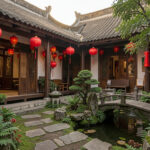
A ryokan is a traditional Japanese inn where guests experience authentic Japanese culture.
Features usually include:
- Tatami mat flooring
- Futon bedding
- Sliding paper doors
- Japanese gardens
- Tea ceremonies
- Hot spring baths (Onsen)
- Traditional Japanese meals (Kaiseki)
Staying in a ryokan is one of the most memorable cultural experiences visitors can have.
Many ryokans are located in Kyoto, Hakone, Nikko, Takayama, and Beppu.
Although they may be more expensive than standard hotels, the experience is well worth the price.
Budget Hotels
Budget hotels are excellent for travellers who want private accommodation at affordable prices.
Most budget hotels provide:
- Air conditioning
- Wi-Fi
- Private bathrooms
- Television
- Daily housekeeping
- Comfortable beds
Rooms are often smaller than Western hotel rooms but are efficiently designed to maximize space.
Budget hotels can be found in nearly every Japanese city.
Hostels and Guesthouses
Hostels are increasingly popular among young travellers and digital nomads.
Benefits include:
- Affordable prices
- Shared kitchens
- Common lounges
- International atmosphere
- Social events
- Tour assistance
Private rooms are also available in many hostels for couples or families.
Guesthouses often provide a more local and homely experience compared to chain hotels.
Why Japan’s Hotel Industry Is Famous Worldwide
Japan consistently ranks among the world’s best countries for hospitality.
Visitors appreciate:
- Exceptional cleanliness
- Friendly staff
- Outstanding customer service
- High safety standards
- Reliable facilities
- Quiet environments
- Efficient check-in processes
- Excellent transportation access
Even inexpensive hotels often exceed expectations compared to similarly priced accommodations in many other countries.
Because of this reputation, millions of international visitors choose Japan every year for both leisure and business travel.
Choosing the Right Accommodation for Your Travel Style
Selecting the right hotel depends on your travel goals.
- Luxury travelers should consider five-star hotels for premium comfort and exclusive services.
- Couples looking for a romantic getaway may enjoy a traditional ryokan with a private onsen.
- Families often benefit from spacious family hotels or serviced apartments.
- Backpackers and solo adventurers can save money by choosing hostels or capsule hotels.
- Business travelers usually prefer business hotels located near railway stations and commercial districts.
Understanding your priorities—such as budget, location, amenities, or cultural experience—will help you find the ideal place to stay and make the most of your trip to Japan.
Best Cities to Stay in Japan
Choosing the right city is just as important as choosing the right hotel. Every destination in Japan offers a unique atmosphere, attractions, and accommodation options. This section of the Japan hotels and stay guide will help you decide where to stay based on your travel style.
Tokyo Accommodation Guide
Tokyo is Japan’s capital and one of the world’s most exciting cities. It combines futuristic skyscrapers with ancient temples, luxury shopping districts, and vibrant nightlife.
Best Areas to Stay in Tokyo
Shinjuku
Shinjuku is one of Tokyo’s busiest districts and a favorite among international visitors.
It is ideal for:
- First-time visitors
- Nightlife lovers
- Shopping enthusiasts
- Food lovers
Advantages include:
- Excellent transportation
- Hundreds of restaurants
- Department stores
- Entertainment districts
- Easy airport access
Accommodation ranges from luxury hotels to affordable business hotels.
Shibuya
Famous for the iconic Shibuya Crossing, this area is perfect for younger travelers.
Best for:
- Shopping
- Fashion
- Cafés
- Modern nightlife
- Photography
Hotels here provide easy access to many tourist attractions.
Ginza
Ginza is Tokyo’s luxury shopping district.
Ideal for:
- Luxury travelers
- Business executives
- Fine dining enthusiasts
Expect:
- Five-star hotels
- Designer boutiques
- Michelin-star restaurants
- Elegant atmosphere
Ueno
Ueno offers excellent value for budget-conscious travelers.
Nearby attractions include:
- Ueno Park
- Museums
- Zoo
- Traditional markets
Hotels here are generally more affordable than those in central Tokyo.
Asakusa
Asakusa provides a traditional Japanese atmosphere.
Highlights include:
- Senso-ji Temple
- Local markets
- Street food
- Historic architecture
Travelers wanting a cultural experience often choose this area.
Kyoto Accommodation Guide
Kyoto is Japan’s cultural heart.
Known for:
- Ancient temples
- Bamboo forests
- Traditional tea houses
- Geisha districts
- Historic streets
Many visitors stay in Kyoto to experience old Japan.
Best Areas in Kyoto
Gion
The famous Geisha district.
Perfect for:
- Traditional experiences
- Walking tours
- Historic streets
- Photography
Luxury ryokans and boutique hotels are common here.
Kyoto Station Area
Best for convenience.
Advantages include:
- Easy transportation
- Shopping centers
- Restaurants
- Day trips
Ideal for families and first-time visitors.
Arashiyama
Nature lovers should consider Arashiyama.
Nearby attractions:
- Bamboo Grove
- River cruises
- Monkey Park
- Scenic mountains
Hotels here offer peaceful surroundings.
Osaka Accommodation Guide
Osaka is Japan’s food capital.
It is famous for:
- Street food
- Friendly locals
- Shopping
- Nightlife
- Universal Studios Japan
Accommodation prices are often lower than Tokyo.
Namba
Namba is Osaka’s entertainment center.
Visitors enjoy:
- Shopping malls
- Restaurants
- Dotonbori
- Easy transportation
Perfect for tourists wanting to stay in the heart of the city.
Umeda
Umeda is Osaka’s business district.
Ideal for:
- Business travelers
- Families
- Luxury hotels
- Railway connections
Large shopping complexes are located nearby.
Shin-Osaka
A convenient location for travelers using the Shinkansen (bullet train).
Advantages:
- Fast transportation
- Quiet atmosphere
- Business hotels
- Budget accommodation
Hokkaido Hotels
Hokkaido is famous for nature, skiing, and winter festivals.
Popular destinations include:
- Sapporo
- Niseko
- Hakodate
- Furano
Accommodation options include:
- Ski resorts
- Luxury mountain lodges
- Hot spring hotels
- Family resorts
Winter visitors should book several months in advance because hotels fill quickly.
Okinawa Resorts
Okinawa offers tropical beaches unlike anywhere else in Japan.
Popular among:
- Honeymoon couples
- Families
- Beach lovers
- Divers
Resorts commonly feature:
- Ocean-view rooms
- Swimming pools
- Private beaches
- Spa facilities
- Water sports
Mount Fuji Area Hotels
Travelers wishing to see Mount Fuji often stay around:
- Kawaguchiko
- Hakone
- Fujiyoshida
Many hotels offer spectacular views of Mount Fuji, especially during clear mornings.
Traditional ryokans with outdoor hot springs are especially popular in this region.
Family-Friendly Hotels in Japan
Families traveling with children should consider hotels that provide:
- Large rooms
- Family suites
- Baby cribs
- Children’s meals
- Laundry facilities
- Kitchenettes
- Nearby convenience stores
Many Japanese hotels also provide children’s slippers, toothbrushes, and pajamas.
Best Hotels for Solo Travelers
Solo travelers usually prioritize:
- Safety
- Affordability
- Convenient transportation
- Social atmosphere
Recommended accommodation types include:
- Capsule hotels
- Hostels
- Business hotels
- Budget guesthouses
Japan is considered one of the safest countries in the world, making solo travel comfortable and enjoyable.
Hotels Near Major Train Stations
One of the best travel tips mentioned in every Japan hotels and stay guide is to stay near major railway stations.
Benefits include:
- Easy airport transfers
- Fast sightseeing
- Convenient shopping
- Countless restaurants nearby
- Less walking with luggage
Popular station areas include:
- Tokyo Station
- Shinjuku Station
- Kyoto Station
- Osaka Station
- Hakata Station
Choosing accommodation near these transportation hubs saves both time and energy throughout your journey.
Hotels with Onsen (Hot Springs)
Many visitors specifically choose hotels that feature traditional Japanese hot springs.
Benefits of staying at an onsen hotel include:
- Relaxation after sightseeing
- Scenic outdoor baths
- Authentic cultural experience
- Wellness and spa treatments
- Traditional Japanese hospitality
Popular onsen destinations include Hakone, Beppu, Kusatsu, Noboribetsu, and Kinosaki Onsen.
Adding an onsen stay to your itinerary is one of the best ways to experience Japanese culture while enjoying comfort and relaxation.
Hotel Booking Tips for Japan
Booking the right accommodation can make your trip smoother and more enjoyable. Japan has a highly organized hospitality industry, but hotels in popular tourist destinations often sell out during peak travel seasons. Following these tips will help you secure the best options at the right price.
Book Early
If you plan to visit Japan during:
- Cherry Blossom Season (March–April)
- Golden Week (Late April–Early May)
- Summer Holidays
- Autumn Foliage Season (October–November)
- New Year Holidays
book your hotel at least 2–4 months in advance. Popular hotels and traditional ryokans often reach full occupancy well before these seasons begin.
Compare Hotel Prices
Before making a reservation:
- Compare prices on different booking platforms.
- Check whether breakfast is included.
- Review cancellation policies.
- Compare room sizes.
- Look for seasonal promotions or member discounts.
Sometimes the same hotel offers different prices depending on the booking platform or travel dates.
Read Guest Reviews
Reviews from previous guests provide valuable insights into:
- Cleanliness
- Staff behavior
- Room comfort
- Wi-Fi quality
- Noise levels
- Transportation convenience
- Overall guest satisfaction
Pay special attention to recent reviews, as they reflect the hotel’s current standards.
Check Room Size
Japanese hotel rooms are generally smaller than those in many Western countries.
Before booking, review:
- Room dimensions
- Bed sizes
- Bathroom layout
- Space for luggage
- Family room availability
If you’re traveling with several suitcases or children, choosing a larger room can make your stay much more comfortable.
Transportation and Hotel Location
Japan’s public transportation system is one of the best in the world.
When selecting accommodation, prioritize hotels located near:
- JR Railway Stations
- Subway Stations
- Bus Terminals
- Airport Express Lines
Benefits include:
- Easier sightseeing
- Reduced transportation costs
- Less walking with luggage
- Convenient airport access
- Better access to restaurants and shopping areas
A centrally located hotel often saves more time than a cheaper hotel located far from public transport.
Hotel Check-in and Check-out
Most hotels follow these standard timings:
Check-in: 3:00 PM – 4:00 PM
Check-out: 10:00 AM – 11:00 AM
If you arrive early, many hotels offer luggage storage until your room is ready. Likewise, they often hold your luggage after check-out so you can continue exploring before your departure.
Hotel Etiquette in Japan
Respecting local customs enhances your travel experience and shows appreciation for Japanese culture.
Remove Shoes When Required
In traditional ryokans and some guesthouses, guests are expected to remove their shoes before entering certain areas. Indoor slippers are usually provided.
Keep Noise to a Minimum
Japanese hotels are known for their peaceful environment. Avoid loud conversations, especially in hallways or late at night.
Respect Onsen Rules
If your hotel has a hot spring (onsen), follow the posted guidelines, such as showering before entering the bath and maintaining a quiet atmosphere.
Keep Rooms Clean
Although housekeeping is excellent, guests are expected to treat hotel property with respect. Keeping the room tidy reflects good travel etiquette.
Best Time to Visit Japan
Every season offers a different experience.
Spring (March–May)
Highlights:
- Cherry blossoms
- Pleasant weather
- Festivals
- Parks in full bloom
This is one of the busiest travel seasons, so booking early is essential.
Summer (June–August)
Ideal for:
- Festivals
- Fireworks
- Hiking
- Beach destinations
Expect warm temperatures and higher humidity.
Autumn (September–November)
Known for:
- Colorful autumn leaves
- Comfortable weather
- Scenic gardens
- Outdoor photography
This is another highly popular travel period.
Winter (December–February)
Perfect for:
- Skiing
- Snow festivals
- Hot springs
- Mountain scenery
Regions like Hokkaido and Nagano become major attractions during winter.
Money-Saving Tips for Accommodation
Traveling in Japan doesn’t have to be expensive. Here are practical ways to reduce accommodation costs:
- Book well in advance.
- Stay near public transportation to save on commuting.
- Travel during the off-season.
- Choose business hotels for excellent value.
- Consider hostels or capsule hotels if traveling solo.
- Look for hotels offering complimentary breakfast.
- Stay a little outside major tourist districts where rates are often lower.
These simple strategies can help stretch your travel budget without sacrificing comfort.
Safety and Security
Japan is widely recognized as one of the safest countries in the world. Even so, it’s wise to take standard travel precautions.
Most hotels provide:
- Electronic key cards
- 24-hour reception
- CCTV surveillance
- In-room safes
- Secure luggage storage
- Emergency assistance
These features contribute to a comfortable and worry-free stay.
Final Thoughts
Choosing the right accommodation is one of the most important parts of planning a successful trip. Whether you dream of a luxury hotel overlooking Tokyo’s skyline, a peaceful ryokan in Kyoto, a budget-friendly business hotel in Osaka, or a relaxing beach resort in Okinawa, Japan has accommodation options for every traveler.
This Japan hotels and stay guide has covered the major hotel types, the best cities and neighborhoods to stay in, booking strategies, transportation advice, hotel etiquette, seasonal travel tips, and practical ways to save money. With careful planning and the right choice of accommodation, you’ll enjoy a comfortable, memorable, and authentic Japanese travel experience.
Conclusion
Japan offers one of the world’s finest hospitality experiences. From modern skyscraper hotels and family-friendly resorts to traditional ryokans and unique capsule hotels, every traveler can find accommodation that matches their needs and budget.
By following the recommendations in this Japan hotels and stay guide, you can confidently choose the perfect place to stay, avoid common booking mistakes, and make the most of your visit. Whether you’re exploring the bright lights of Tokyo, the cultural heritage of Kyoto, the culinary delights of Osaka, or the natural beauty of Hokkaido and Okinawa, the right hotel will enhance every moment of your journey.
Frequently Asked Questions
What is the best area to stay in Japan for first-time visitors?
For first-time travelers, Shinjuku and Shibuya in Tokyo, Kyoto Station Area in Kyoto, and Namba in Osaka are excellent choices because they offer convenient transportation, restaurants, shopping, and easy access to major attractions.
Are hotels in Japan expensive?
Japan offers accommodation for every budget. Travelers can choose from luxury hotels, business hotels, budget hotels, capsule hotels, hostels, guesthouses, and traditional ryokans, making it possible to find suitable options regardless of budget.
When should I book hotels in Japan?
It’s recommended to book 2–4 months in advance, especially if you’re traveling during the cherry blossom season, Golden Week, autumn foliage season, or major holidays, when hotels fill up quickly and prices are generally higher.