
Getting quality sleep is one of the most important things you can do for your physical and mental health. Yet millions of people struggle with falling asleep, staying asleep, or waking up feeling tired. Whether your sleep problems are caused by stress, poor habits, excessive screen time, or an inconsistent schedule, adopting the right Sleep Tips can dramatically improve your sleep quality and overall well-being.
Sleep is much more than simply resting your body. During sleep, your brain processes memories, your muscles recover, your immune system strengthens, and your hormones regulate essential body functions. Poor sleep can negatively impact productivity, mood, concentration, heart health, and even weight management. In this comprehensive guide, you’ll learn practical, science-backed Sleep Tips that can help you fall asleep faster, sleep deeper, and wake up refreshed every morning.
Why Sleep Matters
Sleep is one of the three pillars of good health, alongside nutrition and physical activity. During sleep, your body performs numerous essential functions that cannot happen effectively while you’re awake.
These include:
- Muscle repair
- Brain detoxification
- Memory consolidation
- Hormone regulation
- Immune system strengthening
- Tissue growth
- Energy restoration
Adults generally need 7–9 hours of quality sleep every night. Unfortunately, many people consistently sleep less than this, increasing their risk of numerous health conditions.
What Happens When You Don’t Get Enough Sleep?
Lack of sleep affects almost every part of your body.
Some common short-term effects include:
- Difficulty concentrating
- Poor decision-making
- Irritability
- Mood swings
- Low productivity
- Daytime fatigue
- Slower reaction time
- Increased stress
Long-term sleep deprivation can contribute to:
- Obesity
- Diabetes
- High blood pressure
- Heart disease
- Depression
- Anxiety
- Stroke
- Weak immune function
- Hormonal imbalance
This is why following effective Sleep Tips should become part of your daily routine.
Benefits of Quality Sleep
Improving your sleep offers benefits that extend far beyond simply feeling rested.
1. Better Brain Function
Quality sleep improves:
- Memory
- Learning ability
- Creativity
- Focus
- Decision-making
- Problem-solving
Students and professionals who sleep well generally perform better academically and professionally.
2. Stronger Immune System
During sleep, your body produces immune cells that fight bacteria and viruses.
People who sleep well:
- Get sick less often
- Recover faster
- Experience less inflammation
3. Improved Heart Health
Healthy sleep helps regulate:
- Blood pressure
- Heart rate
- Cholesterol
- Blood sugar
Poor sleep increases the risk of cardiovascular disease over time.
4. Better Mood
One of the easiest Sleep Tips for improving emotional health is simply sleeping enough.
Adequate sleep helps reduce:
- Stress
- Anxiety
- Depression symptoms
- Emotional instability
People who sleep well usually experience greater emotional resilience.
5. Weight Management
Poor sleep disrupts hormones responsible for hunger.
Specifically:
- Ghrelin increases (making you feel hungry)
- Leptin decreases (making you feel less full)
As a result, sleep-deprived individuals often consume more calories throughout the day.
25 Best Sleep Tips
1. Maintain a Consistent Sleep Schedule
Go to bed and wake up at the same time every day—including weekends.
A regular sleep schedule strengthens your body’s internal clock and makes falling asleep much easier.
2. Create a Relaxing Bedtime Routine
Spend 30–60 minutes winding down before bed.
Examples include:
- Reading
- Meditation
- Gentle stretching
- Deep breathing
- Journaling
- Listening to calming music
Avoid stressful work or emotional discussions before bedtime.
3. Keep Your Bedroom Cool
Experts generally recommend a bedroom temperature between:
60°F–67°F (16°C–19°C)
A cooler room helps your body naturally transition into sleep.
4. Make Your Bedroom Dark
Darkness signals your brain to produce melatonin, the hormone responsible for sleep.
Use:
- Blackout curtains
- Eye masks
- Dim lighting
- Minimal night lights
5. Reduce Noise
Noise interrupts deep sleep, even if it doesn’t fully wake you.
Helpful options include:
- Earplugs
- White noise machines
- Fans
- Soft nature sounds
6. Invest in a Comfortable Mattress
An old mattress can contribute to:
- Back pain
- Neck pain
- Restless sleep
- Frequent waking
Experts generally recommend replacing mattresses every 7–10 years.
7. Choose Comfortable Pillows
Your sleeping position determines the best pillow.
For example:
Back sleepers:
Medium-support pillow.
Side sleepers:
Firm pillow.
Stomach sleepers:
Thin pillow.
8. Avoid Screens Before Bed
Phones, tablets, televisions, and laptops emit blue light that suppresses melatonin production.
Try stopping screen use at least:
60 minutes before bedtime
Instead, read a physical book or practice relaxation techniques.
9. Limit Caffeine Intake
Caffeine can remain active in your body for 6–8 hours.
Avoid consuming:
- Coffee
- Energy drinks
- Strong tea
- Cola
during the late afternoon and evening.
10. Avoid Heavy Meals Before Bed
Eating large meals immediately before sleeping may cause:
- Acid reflux
- Indigestion
- Restlessness
- Poor sleep quality
Instead, choose a light snack if you’re hungry.
11. Exercise Regularly
One of the most effective Sleep Tips is engaging in regular physical activity. Exercise helps regulate your body’s internal clock, reduces stress, and increases the amount of deep sleep you get each night.
Best exercises for better sleep:
- Walking
- Cycling
- Swimming
- Jogging
- Yoga
- Strength training
- Stretching
Aim for at least 30 minutes of moderate exercise most days of the week. However, avoid intense workouts within two hours of bedtime, as they may temporarily increase alertness.
12. Manage Daily Stress
Stress is one of the biggest reasons people struggle to fall asleep.
When you’re stressed, your body releases cortisol, the stress hormone, which keeps your brain alert.
Stress-reducing activities include:
- Meditation
- Mindfulness
- Prayer
- Deep breathing
- Journaling
- Listening to calming music
- Talking with someone you trust
Reducing stress throughout the day often leads to better sleep at night.
13. Get Morning Sunlight
Natural sunlight plays an important role in regulating your circadian rhythm.
Try to spend 20–30 minutes outdoors shortly after waking up.
Benefits include:
- Better melatonin production
- Improved energy
- Better mood
- Easier sleep at night
Morning sunlight is one of the easiest and most overlooked Sleep Tips.
14. Avoid Long Daytime Naps
Short naps can be beneficial, but long naps may interfere with nighttime sleep.
Recommended nap duration:
- 15–30 minutes
Avoid naps after 3 PM, especially if you have insomnia.
15. Don’t Stay in Bed Awake
If you haven’t fallen asleep within 20–30 minutes:
- Get out of bed.
- Sit somewhere quiet.
- Read a book.
- Practice breathing exercises.
Return to bed only when you begin feeling sleepy.
This helps your brain associate the bed with sleeping rather than frustration.
16. Watch Your Fluid Intake
Drink enough water during the day but avoid drinking large amounts right before bed.
This reduces nighttime trips to the bathroom that interrupt sleep.
17. Limit Alcohol
Many people believe alcohol improves sleep.
While alcohol may help you fall asleep faster, it actually:
- Reduces deep sleep
- Causes frequent awakenings
- Increases snoring
- Worsens sleep quality
Reducing alcohol intake often results in more refreshing sleep.
18. Quit Smoking
Nicotine is a stimulant.
Smoking before bedtime can:
- Delay sleep
- Increase nighttime awakenings
- Reduce sleep quality
Quitting smoking benefits both your sleep and overall health.
19. Keep Pets Out of Bed
Although many people enjoy sleeping with pets, animals may interrupt sleep by:
- Moving frequently
- Making noise
- Taking up space
- Waking you unexpectedly
If your sleep is frequently disturbed, consider giving your pet a separate sleeping area.
20. Reserve Your Bed for Sleep
Avoid using your bed for:
- Working
- Eating
- Watching TV
- Gaming
Your brain should associate the bed with sleeping and relaxation.
Create the Perfect Sleep Environment

Your bedroom should support restful sleep.
Ideal bedroom conditions
Comfortable Temperature
Keep the room cool.
Darkness
Use blackout curtains or an eye mask.
Quiet
Reduce outside noise using:
- Earplugs
- White noise
- Fans
Comfortable Bedding
Choose:
- Breathable sheets
- Supportive pillows
- Quality mattress
Clean Space
A clutter-free bedroom promotes relaxation and lowers stress.
Healthy Bedtime Routine
A relaxing bedtime routine signals your brain that it’s time to sleep.
Example bedtime routine
9:00 PM
Finish dinner.
9:30 PM
Turn off electronics.
9:40 PM
Take a warm shower.
10:00 PM
Read a book.
10:20 PM
Practice meditation.
10:30 PM
Go to bed.
Following a routine every night strengthens healthy sleep habits.
Best Foods That Promote Better Sleep
Diet significantly affects sleep quality.
1. Almonds
Rich in:
- Magnesium
- Healthy fats
- Protein
Magnesium supports muscle relaxation and better sleep.
2. Kiwi
Research suggests kiwi may help people:
- Fall asleep faster
- Sleep longer
- Improve sleep quality
3. Bananas
Bananas contain:
- Potassium
- Magnesium
- Vitamin B6
These nutrients help muscles relax and support melatonin production.
4. Oatmeal
Oats provide:
- Complex carbohydrates
- Melatonin
- Magnesium
A small bowl of oatmeal can be a comforting bedtime snack.
5. Cherries
Tart cherries naturally contain melatonin.
Many people drink tart cherry juice to improve sleep quality.
6. Walnuts
Walnuts provide:
- Healthy fats
- Melatonin
- Magnesium
A small handful before bedtime may support healthy sleep.
7. Warm Milk
Warm milk is a traditional bedtime drink because it contains:
- Calcium
- Protein
- Tryptophan
Combined with a relaxing bedtime routine, it may help you unwind.
8. Chamomile Tea
Chamomile tea is widely known for its calming effects.
Many people include it as part of their nightly relaxation routine.
Foods to Avoid Before Bed
Certain foods can interfere with sleep.
Spicy Foods
May cause:
- Heartburn
- Acid reflux
- Restlessness
Sugary Snacks
High sugar intake may increase nighttime awakenings and energy levels.
Fast Food
Heavy, greasy meals take longer to digest and may make sleeping uncomfortable.
Chocolate
Chocolate contains:
- Caffeine
- Sugar
Both can make falling asleep more difficult.
Energy Drinks
Energy drinks are among the worst beverages before bedtime because they contain large amounts of caffeine and stimulants.
Large Meals
Eating a heavy dinner immediately before bed often results in poor sleep quality.
Technology and Sleep
Modern technology has made life easier, but it has also become one of the biggest obstacles to getting quality sleep. Many people spend hours scrolling through social media, watching videos, or working on laptops right before bed. These habits can interfere with your body’s natural sleep cycle.
Electronic devices emit blue light, which suppresses the production of melatonin—the hormone that tells your body it’s time to sleep. As a result, you may find it harder to fall asleep, experience lighter sleep, and wake up feeling tired.
How Technology Affects Sleep
Using digital devices before bedtime can:
- Delay melatonin production
- Increase mental stimulation
- Make it harder to fall asleep
- Reduce deep sleep
- Increase nighttime awakenings
- Cause daytime fatigue
Reducing screen time is one of the easiest Sleep Tips you can implement.
Tips for Reducing Screen Time
- Turn off electronic devices at least one hour before bed.
- Use “Night Mode” or blue light filters on your devices.
- Charge your phone outside the bedroom.
- Replace evening screen time with reading or meditation.
- Avoid checking emails or work messages before bedtime.
Common Sleep Mistakes
Many people unknowingly follow habits that reduce sleep quality. Identifying and correcting these mistakes can make a significant difference.
1. Sleeping at Different Times Every Day
An inconsistent sleep schedule confuses your body’s internal clock, making it harder to fall asleep and wake up naturally.
Solution: Go to bed and wake up at the same time every day, even on weekends.
2. Drinking Too Much Caffeine
Caffeine can stay in your system for several hours. Consuming coffee, tea, soda, or energy drinks late in the day can delay sleep.
Solution: Avoid caffeine after mid-afternoon.
3. Using Your Phone in Bed
Scrolling through social media or watching videos keeps your brain active and exposes your eyes to blue light.
Solution: Keep electronic devices away from your bed.
4. Eating Heavy Meals Late at Night
Large meals before bedtime may lead to:
- Acid reflux
- Indigestion
- Discomfort
- Interrupted sleep
Solution: Eat dinner at least two to three hours before bedtime.
5. Sleeping in on Weekends
Sleeping several extra hours on weekends can disrupt your weekday sleep routine.
Solution: Maintain a consistent wake-up time throughout the week.
6. Ignoring Stress
Stress and anxiety are common causes of insomnia.
Solution: Practice relaxation techniques every evening.
7. Drinking Alcohol Before Bed
Although alcohol may initially make you feel sleepy, it often leads to poor-quality sleep and frequent awakenings.
8. Sleeping in a Bright Room
Light exposure reduces melatonin production.
Solution: Use blackout curtains or an eye mask.
Sleep Tips for Different Age Groups
Sleep needs change throughout life. Following age-specific Sleep Tips can help improve sleep quality.
Sleep Tips for Children
Children require more sleep than adults because their bodies and brains are still developing.
Recommended Sleep Duration
- Toddlers: 11–14 hours
- Preschoolers: 10–13 hours
- School-age children: 9–12 hours
Helpful Tips
- Maintain a regular bedtime.
- Limit sugary snacks before bed.
- Read bedtime stories.
- Avoid screen time in the evening.
- Create a calm sleeping environment.
Sleep Tips for Teenagers
Teenagers often stay up late due to schoolwork, social activities, or excessive phone use.
Recommended Sleep Duration
- 8–10 hours per night
Tips
- Keep a consistent sleep schedule.
- Limit social media before bedtime.
- Exercise regularly.
- Avoid energy drinks.
- Complete homework earlier in the evening.
Sleep Tips for Adults
Busy work schedules, parenting responsibilities, and stress often reduce sleep quality.
Recommended Sleep Duration
- 7–9 hours
Tips
- Follow a relaxing bedtime routine.
- Exercise consistently.
- Limit caffeine and alcohol.
- Keep your bedroom cool and quiet.
- Practice stress management techniques.
Sleep Tips for Older Adults
As people age, sleep patterns naturally change. Older adults may wake up more frequently during the night or find it difficult to stay asleep.
Recommended Sleep Duration
- 7–8 hours
Tips
- Stay physically active.
- Get plenty of morning sunlight.
- Avoid long daytime naps.
- Discuss sleep concerns with a healthcare provider if problems persist.
Natural Ways to Improve Sleep

Many people prefer natural approaches before considering medication. The following methods may help improve sleep quality.
Practice Deep Breathing
Slow, deep breathing helps calm your nervous system.
Try inhaling for four seconds, holding your breath for four seconds, and exhaling for six seconds. Repeat several times.
Meditation
Meditation helps quiet racing thoughts and reduces stress.
Even ten minutes of mindfulness before bed can improve sleep quality.
Yoga
Gentle evening yoga promotes muscle relaxation and lowers stress levels.
Simple stretching exercises can prepare your body for restful sleep.
Warm Bath or Shower
Taking a warm bath or shower about one hour before bed helps lower your body temperature afterward, signaling your body that it’s time to sleep.
Aromatherapy
Some people find calming scents relaxing before bedtime.
Popular options include:
- Lavender
- Chamomile
- Sandalwood
- Bergamot
Use essential oils safely and according to product instructions.
Reading a Book
Reading a physical book instead of using electronic devices helps relax the mind without exposing your eyes to blue light.
Choose light, enjoyable reading material rather than exciting or stressful content.
Listen to Relaxing Sounds
Many people sleep better while listening to:
- Rain sounds
- Ocean waves
- Forest sounds
- White noise
- Soft instrumental music
Can Supplements Help?
Some people use dietary supplements to improve sleep. However, supplements are not necessary for everyone and should be used carefully.
Common supplements include:
- Melatonin
- Magnesium
- Glycine
- L-theanine
Before taking any supplement, especially if you are pregnant, have a medical condition, or take prescription medications, consult a qualified healthcare professional to ensure it is appropriate and safe for you.
Signs You’re Getting Good Sleep
Quality sleep isn’t just about the number of hours you spend in bed.
You are likely getting healthy sleep if you:
- Fall asleep within 15–20 minutes.
- Sleep through most of the night.
- Wake up feeling refreshed.
- Stay alert during the day.
- Rarely need long daytime naps.
- Have steady energy levels.
- Feel emotionally balanced and focused.
When Should You See a Doctor?
Occasional sleep problems are common, especially during stressful periods. However, if your sleep difficulties continue for several weeks or begin affecting your daily life, it may be time to consult a healthcare professional.
Seek medical advice if you:
- Have trouble falling asleep for more than three nights a week over several months.
- Wake up frequently during the night and cannot return to sleep.
- Feel excessively sleepy during the day despite getting enough time in bed.
- Snore loudly, gasp, or stop breathing during sleep.
- Wake up with headaches regularly.
- Experience restless legs or frequent leg movements at night.
- Notice memory, concentration, or mood problems related to poor sleep.
A healthcare provider can help identify underlying causes such as insomnia, sleep apnea, restless legs syndrome, medication side effects, or other medical conditions.
How to Build Healthy Sleep Habits
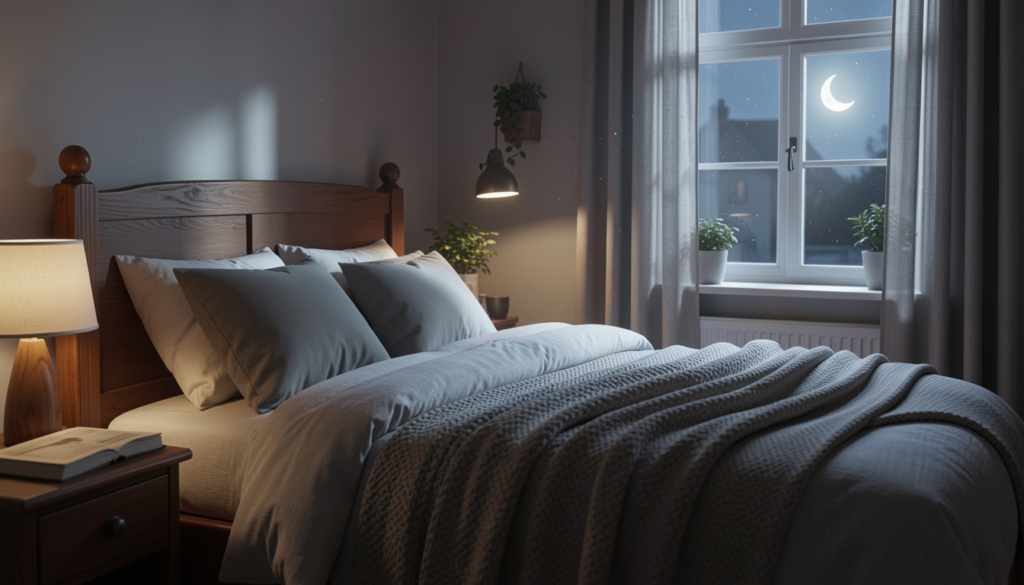
Improving sleep isn’t about making one big change—it’s about consistently practicing healthy habits over time.
Morning Habits
Start your day with routines that support a healthy sleep-wake cycle:
- Wake up at the same time every day.
- Get natural sunlight within the first hour of waking.
- Eat a nutritious breakfast.
- Stay hydrated.
- Be physically active.
Afternoon Habits
The choices you make during the day also affect your sleep.
- Exercise regularly.
- Drink plenty of water.
- Limit caffeine after lunch.
- Avoid long afternoon naps.
- Manage stress with short breaks or mindfulness.
Evening Habits
Prepare your body for restful sleep by creating a calming nighttime routine.
- Eat dinner two to three hours before bed.
- Dim household lights.
- Avoid heavy meals and alcohol late at night.
- Turn off electronic devices one hour before bedtime.
- Read, meditate, stretch, or listen to calming music.
Quick Checklist of the Best Sleep Tips
Use this checklist to improve your sleep quality:
✔ Maintain a consistent sleep schedule.
✔ Sleep for 7–9 hours each night.
✔ Exercise regularly.
✔ Get morning sunlight.
✔ Limit caffeine in the afternoon and evening.
✔ Avoid alcohol before bedtime.
✔ Reduce screen time before bed.
✔ Keep your bedroom cool, dark, and quiet.
✔ Invest in a comfortable mattress and pillow.
✔ Follow a relaxing bedtime routine.
✔ Avoid heavy meals late at night.
✔ Manage stress through relaxation techniques.
✔ Keep naps short and early in the day.
✔ Stay hydrated, but avoid drinking too much before bed.
✔ Seek medical advice if sleep problems persist.
Practicing these Sleep Tips consistently can lead to noticeable improvements in both sleep quality and overall health.
Conclusion
Quality sleep is essential for maintaining both physical and mental health. By following these Sleep Tips, you can improve your sleep routine, increase daytime productivity, enhance your mood, and support long-term wellness.
Whether your goal is to fall asleep more quickly, sleep more deeply, or wake up feeling energized, the key is consistency. Simple lifestyle changes—such as keeping a regular bedtime, limiting caffeine, exercising regularly, and creating a comfortable sleep environment—can make a significant difference over time.
Start by adopting one or two of these Sleep Tips today. As these habits become part of your daily routine, you’ll likely notice better sleep, improved focus, and a healthier, more balanced life.
FAQs
What are the best Sleep Tips for falling asleep faster?
Some of the most effective Sleep Tips include maintaining a consistent sleep schedule, avoiding screens before bed, limiting caffeine in the afternoon, exercising regularly, and following a relaxing bedtime routine with activities like reading or meditation.
How many hours of sleep do adults need?
Most healthy adults need 7 to 9 hours of quality sleep each night. Individual needs can vary slightly based on age, lifestyle, and overall health, but consistently getting enough sleep is important for physical recovery, mental performance, and emotional well-being.
Can diet affect sleep quality?
Yes. Foods rich in magnesium, potassium, and tryptophan—such as almonds, bananas, oats, kiwi, and tart cherries—may support better sleep. On the other hand, consuming caffeine, alcohol, sugary snacks, or heavy meals close to bedtime can negatively affect sleep quality.