
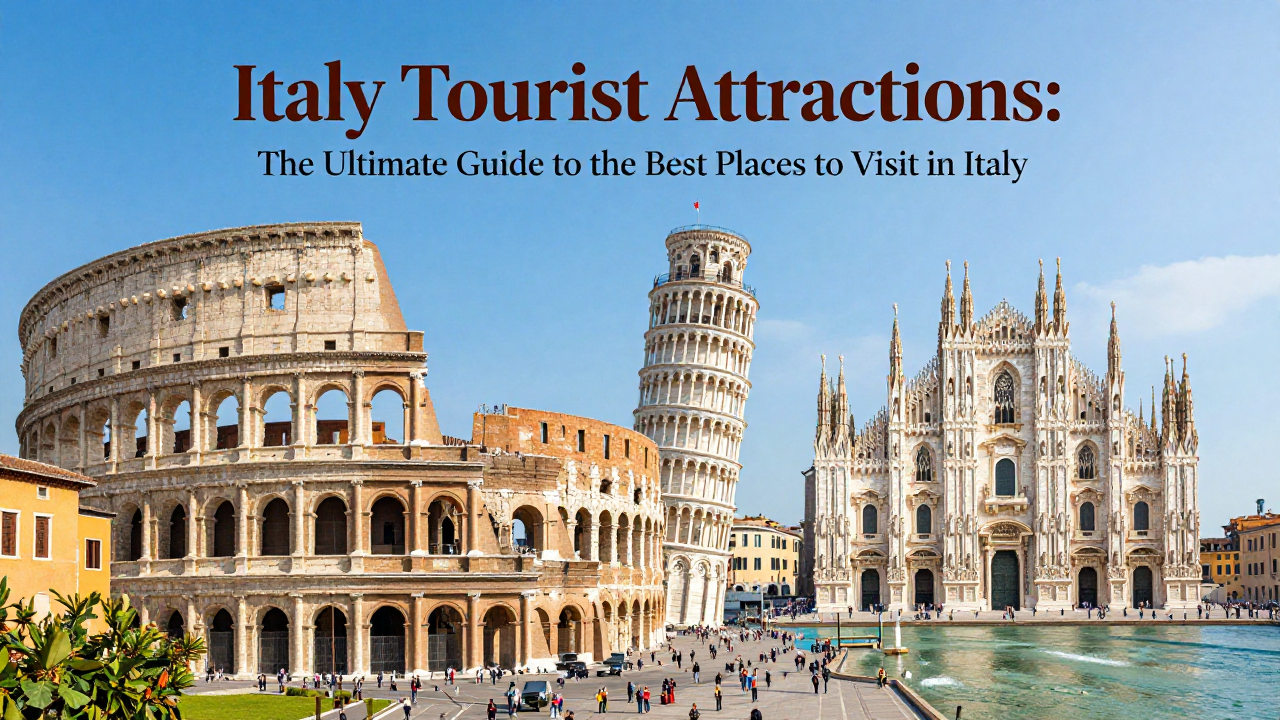
When it comes to unforgettable travel experiences, Italy’s tourist attractions rank among the most admired destinations in the world. From ancient Roman ruins and Renaissance masterpieces to breathtaking coastlines and picturesque villages, Italy offers a unique blend of history, culture, art, and natural beauty. Every year, millions of travelers visit Italy to explore its iconic landmarks, indulge in authentic Italian cuisine, and immerse themselves in centuries of fascinating heritage.
Whether you’re planning your first trip or returning to discover more hidden gems, understanding the best Italy Tourist Attractions can help you create an unforgettable itinerary. From the historic streets of Rome to the romantic canals of Venice and the artistic treasures of Florence, this guide covers everything you need to know about Italy’s most remarkable destinations.
Why Italy Is One of the World’s Most Popular Travel Destinations
Italy attracts visitors from every corner of the globe because it offers something for everyone. History lovers can explore ancient ruins, art enthusiasts can admire world-famous masterpieces, food lovers can enjoy regional delicacies, and nature enthusiasts can discover stunning mountains, lakes, and coastlines.
Some of the key reasons travelers choose Italy include:
- Rich historical heritage
- UNESCO World Heritage Sites
- Famous architecture
- Beautiful landscapes
- Exceptional cuisine
- Vibrant culture and traditions
- World-renowned museums and galleries
Top Italy Tourist Attractions You Must Visit
Colosseum
The Colosseum is one of the most famous landmarks in the world and a symbol of ancient Roman civilization. Built nearly 2,000 years ago, this massive amphitheater once hosted gladiator battles, public spectacles, and theatrical performances.
Highlights
- Ancient Roman architecture
- Underground chambers
- Historical exhibitions
- Guided tours
The Colosseum remains one of the most visited Italy Tourist Attractions and offers a fascinating glimpse into Rome’s imperial past.
Roman Forum
Located near the Colosseum, the Roman Forum served as the center of political, social, and economic life in ancient Rome.
Visitors can explore:
- Ancient temples
- Government buildings
- Public squares
- Archaeological remains
Walking through the Forum feels like stepping back in time to the height of the Roman Empire.
Pantheon
The Pantheon is one of the best-preserved buildings from ancient Rome. Its massive dome and architectural brilliance continue to amaze visitors and architects alike.
Key features include:
- Giant concrete dome
- Beautiful marble interiors
- Historical significance
- Tombs of notable Italians
Trevi Fountain
The Trevi Fountain is among Rome’s most beloved attractions. According to tradition, tossing a coin into the fountain ensures a return trip to Rome.
Visitors enjoy:
- Stunning Baroque architecture
- Evening illumination
- Photography opportunities
- Local atmosphere
Florence: The Cradle of the Renaissance
Cathedral of Santa Maria del Fiore
Commonly known as the Florence Cathedral, this magnificent structure dominates the city’s skyline.
Highlights include:
- Brunelleschi’s Dome
- Gothic architecture
- Panoramic city views
- Historical significance
Uffizi Gallery
The Uffizi Gallery houses some of the world’s most celebrated artworks.
Visitors can admire masterpieces by:
- Leonardo da Vinci
- Michelangelo
- Raphael
- Sandro Botticelli
It remains one of the most important Italy Tourist Attractions for art lovers.
7. Ponte Vecchio
This medieval bridge is famous for its jewelry shops and stunning views of the Arno River.
Visitors appreciate:
- Historic architecture
- Unique shopping
- Sunset views
- Local culture
Venice: The Floating City
Grand Canal
The Grand Canal serves as Venice’s main waterway and is lined with beautiful palaces and historic buildings.
Popular activities include:
- Gondola rides
- Water taxis
- Canal cruises
- Photography
St. Mark’s Basilica
Known for its magnificent mosaics and Byzantine architecture, St. Mark’s Basilica is one of Venice’s most iconic landmarks.
Features include:
- Golden mosaics
- Historic treasures
- Architectural beauty
- Panoramic viewpoints
Doge’s Palace
This former seat of Venetian government showcases centuries of political and artistic history.
Visitors can explore:
- Grand halls
- Historic chambers
- Renaissance artwork
- The famous Bridge of Sighs
Milan’s Must-See Attractions
Milan Cathedral
The Milan Cathedral, or Duomo di Milano, is one of the largest churches in the world.
Highlights include:
- Gothic architecture
- Rooftop terraces
- Stunning sculptures
- City views
Santa Maria delle Grazie
This church houses the world-famous mural The Last Supper by Leonardo da Vinci.
Natural Italy Tourist Attractions
Lake Como
Lake Como is known for its crystal-clear waters, charming villages, and luxurious villas.
Popular activities:
- Boat tours
- Lakeside dining
- Hiking
- Scenic photography
Amalfi Coast
The Amalfi Coast is one of Italy’s most picturesque coastal regions.
Visitors enjoy:
- Cliffside villages
- Stunning beaches
- Mediterranean views
- Coastal drives
Cinque Terre
Cinque Terre consists of five colorful seaside villages connected by scenic hiking trails.
Top experiences:
- Hiking routes
- Local seafood
- Coastal views
- Photography opportunities
Mount Etna
Mount Etna is Europe’s most active volcano and one of Sicily’s greatest natural wonders.
Visitors can enjoy:
- Volcano tours
- Hiking adventures
- Cable car rides
- Unique landscapes
Historic Attractions Beyond Rome
Leaning Tower of Pisa
Perhaps one of the most recognizable landmarks in the world, the Leaning Tower attracts millions of visitors annually.
Reasons to visit:
- Unique architecture
- Historical significance
- Iconic photographs
- Beautiful surroundings
Pompeii
Pompeii offers an extraordinary glimpse into ancient Roman life preserved by volcanic ash.
Visitors can explore:
- Ancient homes
- Streets
- Temples
- Public baths
Hidden Gems Among Italy Tourist Attractions
Many travelers focus only on major cities, but Italy also offers lesser-known destinations worth exploring.
Top Hidden Gems
- Matera
- Siena
- Verona
- Bologna
- Lucca
These destinations provide authentic Italian experiences with fewer crowds.
Best Time to Visit Italy Tourist Attractions
Spring (March–May)
- Pleasant weather
- Blooming landscapes
- Fewer tourists
Summer (June–August)
- Beach season
- Festivals and events
- Peak tourism period
Autumn (September–November)
- Comfortable temperatures
- Wine harvest season
- Beautiful scenery
Winter (December–February)
- Christmas markets
- Ski resorts
- Lower travel costs
Travel Tips for Exploring Italy
- Book attraction tickets in advance.
- Learn basic Italian phrases.
- Use public transportation.
- Wear comfortable walking shoes.
- Carry cash for smaller establishments.
- Respect local customs and traditions.
- Visit popular attractions early in the morning.
Suggested 10-Day Italy Itinerary
Days 1–3: Rome
- Colosseum
- Roman Forum
- Pantheon
- Trevi Fountain
Days 4–5: Florence
- Florence Cathedral
- Uffizi Gallery
- Ponte Vecchio
Days 6–7: Venice
- Grand Canal
- St. Mark’s Basilica
- Doge’s Palace
Days 8–10: Amalfi Coast or Lake Como
- Coastal exploration
- Relaxation
- Scenic tours
Conclusion
Italy remains one of the most rewarding travel destinations in the world, offering an extraordinary combination of history, culture, art, architecture, and natural beauty. Whether you’re wandering through the ancient streets of Rome, admiring Renaissance masterpieces in Florence, cruising Venice’s canals, or relaxing along the Amalfi Coast, the country’s diversity ensures an unforgettable experience for every traveler.
The incredible variety of Italy Tourist Attractions means there’s always something new to discover. From iconic landmarks like the Colosseum and Leaning Tower of Pisa to hidden gems such as Matera and Siena, Italy continues to inspire visitors with its timeless charm and rich heritage. Planning your itinerary carefully will help you make the most of every moment in this remarkable country.
FAQs
What are the most famous Italy Tourist Attractions?
Some of the most famous Italy Tourist Attractions include the Colosseum, Roman Forum, Venice Grand Canal, Florence Cathedral, Leaning Tower of Pisa, Pompeii, and the Amalfi Coast.
How many days are enough to explore Italy?
A trip of 10–14 days is ideal for visiting major destinations such as Rome, Florence, Venice, Milan, and the Amalfi Coast.
What is the best month to visit Italy?
May, June, September, and October are often considered the best months to visit Italy due to pleasant weather and manageable tourist crowds.
Venice Travel Guide: The Complete Travel Guide to Venice, Italy
