
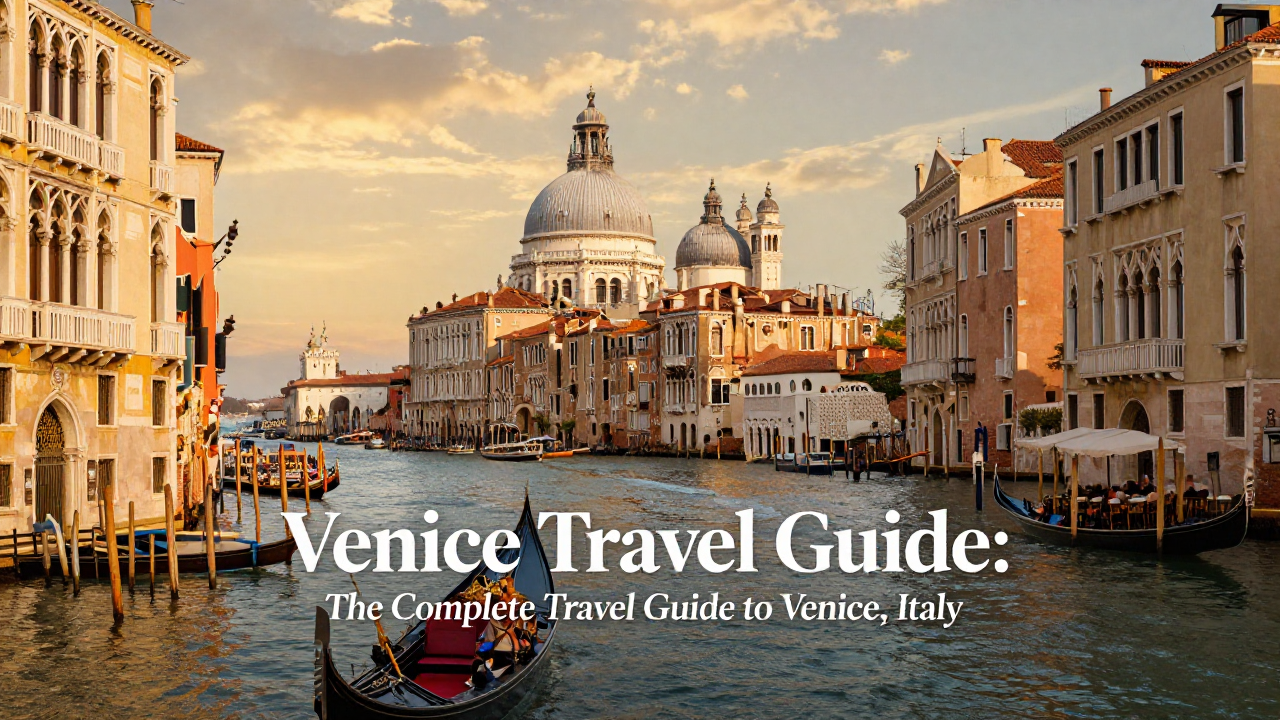
Venice is one of the most unique and enchanting destinations in the world. Built across more than 100 small islands connected by canals and bridges, this historic Italian city attracts millions of visitors every year. A well-planned Venice Travel Guide can help travelers experience the city’s timeless beauty, rich history, stunning architecture, and romantic atmosphere while avoiding common tourist mistakes.
Whether you are visiting Venice for the first time or returning to explore its hidden corners, the city offers unforgettable experiences around every canal and piazza. From iconic landmarks like St. Mark’s Square and the Grand Canal to charming neighborhoods and authentic Venetian cuisine, this comprehensive Venice Travel Guide covers everything you need to know before planning your trip.
Why Visit Venice?
Venice stands apart from every other city in the world. Instead of roads filled with cars, you’ll find waterways lined with gondolas, water taxis, and vaporettos. The city’s architecture reflects centuries of artistic achievement, while its narrow alleys reveal hidden gems waiting to be discovered.
Some reasons travelers love Venice include:
- Unique canal-based transportation
- Historic landmarks and museums
- Romantic atmosphere
- Incredible Italian cuisine
- World-famous art and architecture
- Beautiful islands nearby
- Rich cultural heritage
- Excellent photography opportunities
Where Is Venice Located?
Venice is located in northeastern Italy within the Veneto region. The city sits in the Venetian Lagoon along the Adriatic Sea and has been an important trading center for centuries.
Venice consists of two main areas:
- Historic Venice (Centro Storico)
- Mainland Venice (Mestre)
Most tourists spend their time in the historic center where the famous canals, bridges, and attractions are located.
Best Time to Visit Venice
Spring (March to May)
Spring is one of the best seasons to visit Venice. Temperatures are pleasant, flowers bloom throughout the city, and crowds are generally manageable.
Advantages:
- Comfortable weather
- Beautiful scenery
- Longer daylight hours
- Ideal for walking tours
Summer (June to August)
Summer is the busiest tourist season. While the weather is warm and sunny, crowds can be overwhelming.
Advantages:
- Numerous festivals
- Extended sightseeing hours
- Vibrant atmosphere
Disadvantages:
- Large crowds
- Higher hotel prices
- Hot temperatures
Fall (September to November)
Many travelers consider autumn the ideal time to visit Venice.
Benefits:
- Fewer tourists
- Comfortable temperatures
- Better accommodation deals
- Great photography conditions
Winter (December to February)
Winter offers a quieter and more authentic Venice experience.
Highlights:
- Lower prices
- Smaller crowds
- Magical holiday decorations
- Venice Carnival celebrations
How to Get to Venice
By Air
The primary airport serving Venice is Venice Marco Polo Airport.
From the airport, travelers can reach the city center through:
- Water buses
- Water taxis
- Airport shuttle buses
- Private transfers
By Train
Venice’s Santa Lucia Railway Station provides convenient connections to major Italian cities including:
- Rome
- Florence
- Milan
- Verona
- Bologna
Train travel is one of the easiest ways to reach Venice.
By Car
Visitors driving to Venice must park their vehicles in designated parking areas because cars are not allowed in the historic center.
Popular parking locations include:
- Tronchetto
- Piazzale Roma
Understanding Venice’s Neighborhoods
San Marco
San Marco is the heart of Venice and home to many famous attractions.
Highlights:
- St. Mark’s Square
- Luxury shopping
- Historic landmarks
- Fine dining
Cannaregio
This district offers a more authentic local atmosphere.
Why Visit:
- Fewer tourists
- Local restaurants
- Historic Jewish Ghetto
- Affordable accommodations
Dorsoduro
Dorsoduro is known for art galleries and cultural attractions.
Attractions:
- Museums
- Churches
- Student atmosphere
- Scenic waterfront views
Castello
Castello combines local life with important historic sites.
Features:
- Quiet streets
- Beautiful gardens
- Traditional Venetian culture
Santa Croce
A practical district with easy transportation access.
Benefits:
- Convenient location
- Fewer crowds
- Budget-friendly lodging
Top Attractions in Venice
St. Mark’s Square
The city’s most famous public square serves as Venice’s social and cultural center.
Highlights:
- Historic architecture
- Cafés
- Live music
- Iconic landmarks
St. Mark’s Basilica
This magnificent cathedral showcases extraordinary Byzantine architecture and stunning mosaics.
Must-See Features:
- Golden mosaics
- Treasury
- Museum
- Panoramic terrace views
Doge’s Palace
Once the political heart of Venice, the palace offers fascinating insights into Venetian history.
What to Explore:
- Grand halls
- Historic artwork
- Secret passages
- Government chambers
Grand Canal
The Grand Canal serves as Venice’s main waterway.
Best Ways to Experience It:
- Vaporetto ride
- Gondola tour
- Walking along viewpoints
- Photography excursions
Rialto Bridge
The Rialto Bridge is Venice’s most famous bridge and an architectural masterpiece.
Nearby Attractions:
- Rialto Market
- Shopping areas
- Canal viewpoints
Bridge of Sighs
One of Venice’s most photographed landmarks connects the Doge’s Palace to historic prison cells.
Best Things to Do in Venice
Take a Gondola Ride
A gondola ride remains one of the most iconic Venetian experiences.
Tips:
- Book during quieter hours
- Share rides to reduce costs
- Choose less crowded canals
Explore Hidden Streets
Many visitors only see Venice’s major attractions. Exploring side streets often reveals the city’s true character.
Discover:
- Quiet canals
- Local cafés
- Artisan workshops
- Historic courtyards
Visit Local Markets
The Rialto Market offers fresh produce, seafood, and authentic Venetian culture.
Watch Sunset Along the Lagoon
Sunset transforms Venice into a magical destination.
Best Viewing Locations:
- Waterfront promenades
- Bridges
- Rooftop terraces
Day Trips from Venice
Murano Island
Murano is famous worldwide for its glassmaking tradition.
Activities:
- Glass-blowing demonstrations
- Museums
- Shopping for handmade glass
Burano Island
Burano captivates visitors with brightly colored houses and lace-making traditions.
Highlights:
- Colorful streets
- Photography opportunities
- Local restaurants
Torcello Island
Torcello offers a peaceful escape from Venice’s crowds.
Attractions:
- Historic churches
- Archaeological sites
- Scenic landscapes
Venetian Food and Cuisine
No Venice Travel Guide would be complete without exploring local cuisine.
Must-Try Dishes
Risotto al Nero di Seppia
A unique squid ink risotto famous throughout Venice.
Sarde in Saor
A traditional Venetian dish made with sardines, onions, and vinegar.
Bigoli in Salsa
A classic Venetian pasta dish featuring anchovy sauce.
Fritto Misto
A delicious seafood platter featuring fried fish and shellfish.
Tiramisu
One of Italy’s most beloved desserts.
Shopping in Venice
What to Buy
Popular souvenirs include:
- Murano glass
- Venetian masks
- Handmade lace
- Local artwork
- Italian leather products
Where to Stay in Venice
Luxury Hotels
Luxury travelers can enjoy:
- Canal-view suites
- Historic palaces
- Five-star services
Mid-Range Hotels
Many travelers choose comfortable mid-range accommodations offering:
- Excellent locations
- Good amenities
- Reasonable pricing
Budget Options
Budget-conscious visitors can consider:
- Guesthouses
- Hostels
- Budget hotels
- Mestre accommodations
Transportation in Venice
Walking
Walking remains the best way to explore Venice.
Advantages:
- Discover hidden areas
- Free transportation
- Great photography opportunities
Vaporetto
The vaporetto serves as Venice’s public water bus system.
Benefits:
- Affordable
- Extensive routes
- Convenient access to attractions
Water Taxi
Water taxis provide fast and private transportation.
Best For:
- Airport transfers
- Luxury travel
- Group transportation
Budgeting for Venice
Daily Budget Estimates
Budget Traveler
- Accommodation: €50–100
- Food: €20–40
- Transportation: €10–20
Mid-Range Traveler
- Accommodation: €120–250
- Food: €40–80
- Activities: €30–100
Luxury Traveler
- Accommodation: €300+
- Dining: €100+
- Premium experiences
Essential Travel Tips
Book Early
Venice remains one of Europe’s most visited cities. Booking hotels and attraction tickets early can save money and reduce stress.
Start Sightseeing Early
Major attractions become crowded quickly.
Stay Hydrated
Walking throughout Venice can be physically demanding.
Respect Local Residents
Remember that Venice is a living city, not just a tourist destination.
Carry Comfortable Shoes
Expect extensive walking over bridges and cobblestone streets.
Photography Tips for Venice
Best Times
- Early morning
- Golden hour
- Sunset
- Blue hour
Best Subjects
- Gondolas
- Historic buildings
- Bridges
- Canal reflections
- Local life
Common Mistakes to Avoid
- Visiting only St. Mark’s Square
- Overpaying for gondola rides
- Ignoring side streets
- Not booking attractions in advance
- Staying only one day
- Eating exclusively near tourist hotspots
Suggested 3-Day Venice Itinerary
Day 1
- St. Mark’s Square
- St. Mark’s Basilica
- Doge’s Palace
- Grand Canal cruise
Day 2
- Rialto Market
- Cannaregio district
- Gondola ride
- Sunset photography
Day 3
- Murano Island
- Burano Island
- Shopping
- Traditional Venetian dinner
Conclusion
This comprehensive Venice Travel Guide demonstrates why Venice remains one of the world’s most extraordinary travel destinations. From breathtaking canals and historic landmarks to authentic cuisine and charming islands, Venice offers experiences that cannot be found anywhere else. Whether you’re planning a romantic getaway, a cultural vacation, or a photography adventure, proper planning will help you make the most of your journey. With its timeless beauty and unforgettable atmosphere, Venice continues to captivate travelers from around the globe and deserves a place on every traveler’s bucket list.
FAQs
Is the Venice Travel Guide useful for first-time visitors?
Yes, a comprehensive Venice Travel Guide helps first-time visitors understand transportation, attractions, accommodation options, and local customs. It can make trip planning easier and help travelers avoid common mistakes while exploring the city.
What is the best time to follow a Venice Travel Guide and visit Venice?
Spring and autumn are generally considered the best times to visit Venice. During these seasons, the weather is pleasant, crowds are smaller than summer, and sightseeing is more comfortable.
How many days should I spend in Venice using a Venice Travel Guide?
Most travelers should spend at least three days in Venice. This allows enough time to explore major attractions, enjoy local cuisine, take a gondola ride, and visit nearby islands such as Murano and Burano.
